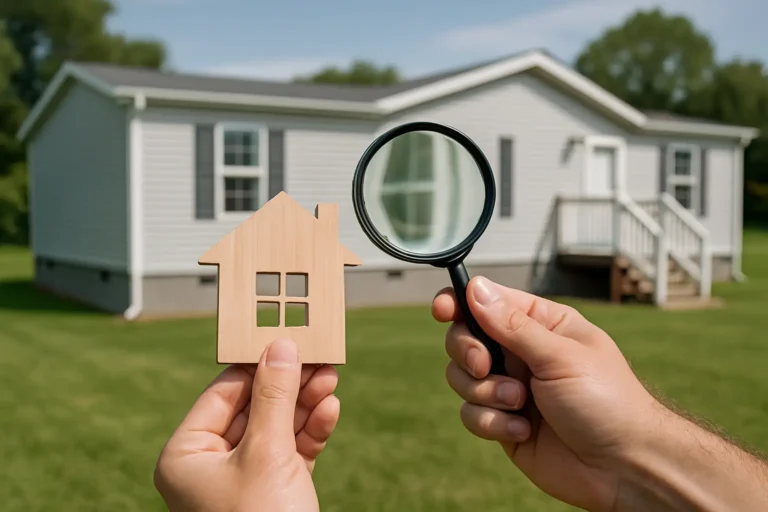


You don’t need a perfect mobile home to sell quickly – you need a plan that fits the reality of manufactured housing in North Carolina: titles, parks, lot rent, access for showings, and buyers who can actually close. If you’re thinking, “how to sell my mobile home fast,” the fastest path usually isn’t “list it and hope.” It’s removing the friction that slows sales down.
Below is a practical, execution-first approach that works for owners across Greensboro, Winston-Salem, High Point, and the surrounding counties – whether your home is move-in ready, dated, vacant, tenant-damaged, or one storm away from becoming a bigger headache.
What “fast” really means (and what usually slows you down)
“Fast” can mean a few different things. Some sellers mean “I need it gone this week.” Others mean “I can wait 30–45 days, but I don’t want months of uncertainty.” Your timeline matters because it determines which selling route makes sense and what trade-offs you’re making on price.
Most mobile home sales slow down for the same reasons: the buyer can’t get financing, the park won’t approve them, the title isn’t clean, the home needs repairs the seller can’t fund, or the seller doesn’t have time for showings and follow-ups. Traditional real estate steps – photos, listings, open houses – don’t fix those issues. They often make them more visible.
If your goal is speed, you want to identify the bottleneck before you choose the selling method.
How to sell my mobile home fast: pick the right selling route
There are two realistic ways to move quickly in Central NC: sell direct to a cash buyer, or self-market with a tight screening process. Either can work. The “right” answer depends on condition, paperwork, and how much time you can spend managing the sale.
Option A: Cash buyer (fastest and simplest)
A direct cash buyer is usually the quickest path because there’s no lender timeline and no appraiser who can kill the deal over minor issues. This route is built for sellers who want certainty and minimal effort, especially when the home needs work, you’re behind on lot rent, or you’re out of state.
The trade-off is price. You’re typically accepting less than top-of-market in exchange for speed, no repairs, and a predictable close.
Option B: Sell it yourself (fast if you price and screen correctly)
You can absolutely sell your own home fast – especially if it’s in a desirable park and priced realistically. But “fast” only happens when you (1) price it for a quick decision, and (2) avoid buyers who say “I’m interested” but can’t get approved.
The trade-off here is time and follow-through. You’ll be answering messages, scheduling meetups, coordinating with the park, and handling paperwork. If you’re dealing with a job change, a family situation, probate, or a looming deadline, that effort can become the real cost.
Step 1: Get your paperwork straight first (this is where speed is won)
If you want a fast sale, start with the documents. In manufactured housing, the paperwork can matter more than the paint color.
If your home is titled (common in NC mobile home parks and many older setups), you’ll want to confirm the names on the title match the seller, and you’ll need to know whether there are any liens. If the home is on land and has been converted to real property in some cases, the process can look different. The point is simple: don’t wait until you have a buyer to discover you can’t transfer ownership cleanly.
If you’ve lost the title, don’t assume the sale is dead. It may just mean extra steps and extra time. But if “fast” is the goal, you want to identify that immediately so you can choose a selling route that can handle it.
Also, if you’re in a park, call the park office early. Ask what they require for a buyer to be approved and whether they have any rules about age, pets, renovations, or moving the home. Park approval can be the hidden delay that turns a “two-week sale” into a two-month mess.
Step 2: Decide whether you’re selling in a park or on private land
This changes everything.
In a park, the buyer is usually paying for the home and taking over lot rent. That means the park’s approval process matters, and the buyer pool is often local. The upside is that the home doesn’t need to be moved, which can keep costs down and speed things up – if the park is cooperative.
On private land, you may be selling the home alone or the home with land. Buyers may need different financing, and you may be dealing with utilities, permits, septic/well details, and access. The upside is you’re not dealing with park rules. The downside is that land-related details can add their own delays.
Knowing which situation you’re in helps you avoid the biggest time-wasters – like marketing to buyers who can’t meet the requirements.
Step 3: Price it like you mean “fast”
If you price your home at the number you “want,” you’re asking the market to negotiate with you for weeks. If you price it at the number that makes a buyer move today, you’ll get fewer tire-kickers and more real conversations.
For a quick sale, pricing should reflect condition, age, and the reality of manufactured-home financing. Many buyers are using cash or personal loans, and they’re comparing your home to others in the same community.
A practical way to think about it: if your home needs work (flooring, roof, soft spots, HVAC issues, water damage), your buyer isn’t just subtracting repair costs. They’re subtracting risk and hassle, too. If you want speed, acknowledge that upfront and price accordingly.
Step 4: Make it “easy to say yes” without doing a full remodel
You don’t need to renovate to sell fast. You do need to remove the deal-killers.
If you’re selling it yourself, focus on two things: safety and first impressions. Clear walkways, fix obvious plumbing leaks, secure loose steps or railings, and remove trash. A quick clean-out and basic tidying can do more for speed than a half-finished kitchen upgrade.
If the home is in rough shape and you don’t have the time or money, don’t start a project you can’t finish. Unfinished repairs often slow sales down because buyers assume the problems are bigger than they look.
Step 5: Market it where mobile home buyers actually are
For-sale signs still work in parks because neighbors know someone who wants to move in. Word-of-mouth is real in manufactured housing.
Online, the biggest mistake sellers make is posting too little information, then spending weeks answering the same questions. If you want a fast sale, your listing should make it obvious whether the home is in a park, what the monthly lot rent is, whether the buyer must be park-approved, the age/size/bed-bath count, and whether it needs repairs.
You’ll get fewer messages, but the messages you get will be better.
Photos matter, but they don’t have to be fancy. Bright daylight, wide shots, and clear pictures of the main rooms and any known issues builds trust and speeds decisions. If there’s damage, show it. Surprises kill fast closings.
Step 6: Pre-screen buyers like your timeline depends on it (because it does)
If you’re in a park, ask early whether the buyer understands they must apply and be approved. If they hesitate, that’s a sign they may not qualify.
Also ask how they plan to pay. Cash is fastest. If they’re using financing, ask what kind and whether they’ve been pre-approved. You’re not being rude – you’re protecting your time.
If you’re trying to sell quickly, you can’t afford a buyer who needs “a few weeks to think” and then disappears.
Step 7: Don’t let the title transfer be the last-minute surprise
In a fast sale, the title transfer is often the last big step – and the one that can stall everything if it’s handled late.
Confirm whose name is on the title, whether there’s a lienholder, and whether all owners can sign. If a co-owner is out of state, plan for that now. If the home is inherited, make sure you know who has authority to sell.
This is one area where “I’ll deal with it later” almost always costs you time.
When a direct cash offer makes the most sense
If your situation includes any of the following, a direct buyer is often the cleanest way to hit a short timeline: the home needs major repairs, you’re behind on lot rent, you can’t travel for showings, the title is missing or complicated, the home is vacant, or you simply don’t want strangers walking through.
That’s exactly the lane companies like Triad Mobile Homes LLC operate in: a local, no-pressure process designed to remove the usual friction – no listings, no commissions, no repair demands, and a straightforward path to a cash close. If you’re prioritizing certainty over squeezing every dollar out of the sale, it’s a practical option to consider.
A realistic timeline you can aim for
If the paperwork is clean and the park is responsive, a fast self-sale can happen in a couple weeks, sometimes sooner. If you’re dealing with repairs, title issues, or a buyer who needs approval, the timeline stretches quickly.
A direct cash sale is often measured in days rather than weeks because the process is built around speed and fewer moving parts. The right choice depends on what you can handle right now – time, stress, and uncertainty included.
If you’re staring at a deadline, here’s the mindset that helps: don’t aim for “perfect.” Aim for “certain.” The fastest sale is the one that can actually close.