
A foreclosure notice changes the timeline fast. If you need to sell mobile home with foreclosure notice, the biggest mistake is waiting to see what happens next. Once notices start coming, your options can shrink week by week, especially if you also owe lot rent, have title issues, or need park approval to transfer the home.
The good news is that a foreclosure notice does not always mean you are out of time. In many cases, you can still sell before the foreclosure is completed. But mobile homes are not handled the same way as site-built houses. Whether the home is in a park or on private land, the path forward depends on who is foreclosing, how the home is titled, and how quickly you can get a real buyer in place.
Can you sell a mobile home with a foreclosure notice?
Usually, yes. A foreclosure notice means pressure, not always a finished case. If you still own the home and the foreclosure sale has not happened yet, you may be able to sell it and use the proceeds to pay off what is owed.
That said, the details matter. Some owners are facing lender foreclosure on the home loan. Others are behind on lot rent and dealing with park action. Some are dealing with tax problems, private seller financing defaults, or a home that was financed as personal property rather than real estate. Each situation affects what has to happen before a buyer can step in.
This is where people lose time. They assume they can list the home like any other property, but mobile homes often have extra layers – title status, VIN verification, park rules, taxes, moving questions, and lender payoff numbers. If you are already under a deadline, a traditional sale can drag too long.
What to do first if you need to sell mobile home with foreclosure notice
Start by finding out exactly what kind of notice you received. Do not guess. Read the paperwork and confirm whether the foreclosure is tied to the home loan, the land, unpaid taxes, or another default. You need the sale date, the total amount needed to cure or pay off the debt, and the legal name of the party handling the file.
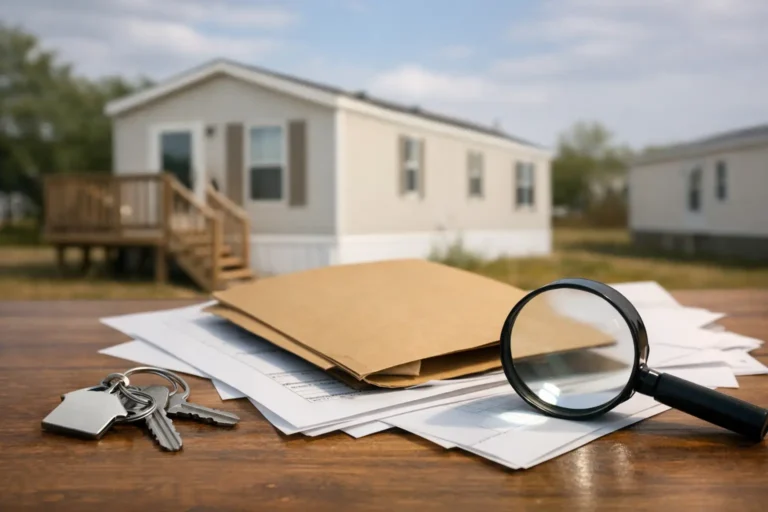
Next, gather the documents a serious buyer will ask for right away. That usually includes the title or title information, loan account details, payoff amount, tax status, lot rent balance if the home is in a park, and any park contact information. If you cannot find the title, do not assume the sale is dead. Missing title issues can often be worked through, but they need attention immediately.
Then be realistic about the timeline. If the foreclosure sale is close, speed matters more than trying to squeeze out every last dollar. A higher price on paper does not help if the buyer cannot close in time.
The biggest factors that affect your sale
The first factor is whether the mobile home is on private land or in a park. If it is in a park, the buyer may need park approval, and the park may have rules about age, condition, or occupancy. Some parks will not approve every buyer, which can delay or kill a deal.
The second factor is whether the home must stay in place or be moved. A home that has to be moved can be harder to sell quickly because moving costs, permits, setup, and destination lot availability all come into play. If the home can remain where it is, your buyer pool may be stronger.
The third factor is title and lien status. Many manufactured homes in North Carolina have title problems that owners do not know about until they try to sell. There may be an old lien still recorded, a missing release, a deceased owner on title, or a mismatch between paperwork and the actual home. None of that is rare, but it can slow down a sale if you wait too long to deal with it.
Your main options when time is short
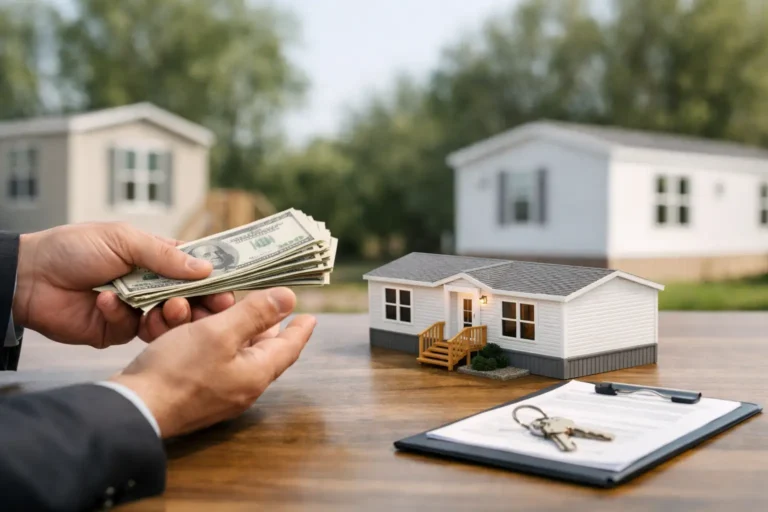
One option is to sell directly to a cash buyer who understands mobile homes. This is often the fastest route because there is no bank financing, no repair list, and no waiting on a retail buyer who may back out. If the buyer knows how to handle titles, park communication, and closings under pressure, that can save critical time.
Another option is to market the home aggressively yourself or through a specialist who already works in the mobile home market. That can sometimes produce a higher price, but it usually comes with more uncertainty. You still need calls answered, buyers screened, paperwork handled, and the deadline managed.
A third option is trying to negotiate directly with the lender or creditor for more time. Sometimes that helps. Sometimes it does not. Even if you get a short extension, you still need a real plan to close the sale.
What usually does not work is waiting for a traditional listing process to save the deal. A mobile home under foreclosure pressure is not a good fit for slow pricing experiments, repairs, open houses, and drawn-out negotiations.
Why many foreclosure sales fall apart
Most failed sales come down to one of three problems: bad timing, bad paperwork, or the wrong buyer.
Bad timing is obvious. The owner starts too late, and there is not enough runway to clear title, get payoff figures, or close before the sale date.
Bad paperwork is just as common. The seller may not have the title, may not know the correct owner of record, or may not have a payoff statement that matches the actual lien holder. If the home is inherited, divorce-related, or tied to an old private note, paperwork problems can get messy fast.
The wrong buyer is often the silent issue. Retail buyers say they want the home, but they need financing, they want repairs, or they fail park screening. Under foreclosure pressure, a maybe-buyer is usually not enough.
What a fast sale should look like
A good process should feel straightforward, not confusing. You should be able to explain the situation, get a real review of the home and paperwork, and receive a clear offer without pressure.
For many sellers, the best path is simple: tell the buyer about the home, schedule a quick review, then look at the offer and timeline. If the numbers work for your situation, you move to closing and get paid. If they do not, you should be free to walk away.
That matters because foreclosure sellers are already stressed. You do not need more runaround, hidden fees, or vague promises about what a buyer might do later.
Selling in a North Carolina mobile home park
If your home is in a park in the Triad or nearby Central North Carolina markets, act fast with the park office. Ask whether the home can stay in place after the sale, whether the buyer must apply, and whether there are unpaid lot charges that need to be addressed.
Park sales can move quickly when the buyer already understands community requirements. They can also stall if no one talks to management until the last minute. If your foreclosure notice is tied to the home loan but you also owe lot rent, both issues may have to be resolved for the sale to close cleanly.
This is one reason sellers often work with a specialist instead of trying to sort everything out alone. A local buyer who handles mobile homes every week can spot problems early and help keep the process moving. In many cases, companies like Triad Mobile Homes work with sellers facing foreclosure, title issues, park complications, damage, or homes that need to be sold as-is for a fair cash offer.
How to protect yourself while moving fast
Speed matters, but so does clarity. Ask for the offer terms in plain language. Confirm who is paying closing costs, whether commissions are involved, and what conditions could change the price. If there is a payoff shortage, ask how that will be handled before you commit.
You should also confirm the expected closing date and what the buyer needs from you. A good buyer will not bury you in jargon. They will tell you what documents are needed, what problems still have to be solved, and whether the timeline is realistic.
If someone promises an easy close without even asking about title, liens, park approval, or payoff amounts, be careful. Mobile home sales are solvable, but they are not magic.
When selling fast makes more sense than holding out
Not every seller should take the first offer. But if you are facing foreclosure, the right question is not just, “Can I get more?” It is, “Can I actually close in time, avoid more damage to my finances, and move on?”
A slightly lower offer that closes quickly can be the better outcome if it stops the foreclosure process, avoids more missed payments, and saves you from months of uncertainty. That is especially true if the home needs repairs, has paperwork issues, or sits in a park with extra rules.
If you have a foreclosure notice in hand, treat it like a deadline, not a warning you can ignore. The sooner you get real numbers, real paperwork, and a real buyer involved, the more control you keep. A hard situation does not always need a complicated answer – sometimes the best move is simply the one that gets you out clean and lets you breathe again.