
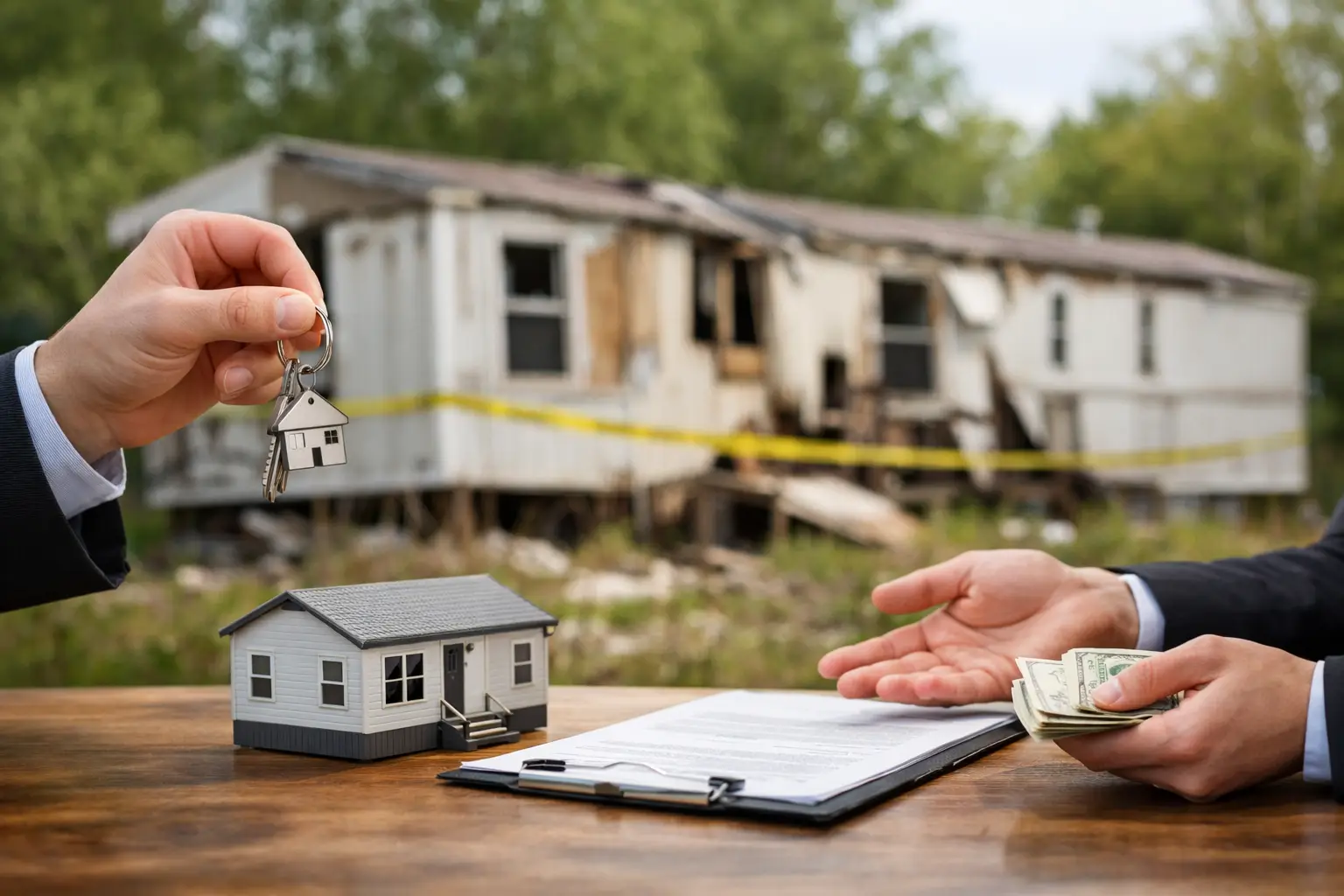
If the county, city, or mobile home park has told you your home is condemned, unsafe, or not fit for occupancy, the usual advice about cleaning it up and listing it for sale stops being useful fast. A condemned manufactured home in North Carolina comes with extra pressure – code issues, title questions, lot rent problems, transport limits, and buyers who disappear the second they hear the word condemned.
The good news is that condemnation does not always mean you are stuck with the home forever. But it does mean you need the right sale path.
Can you sell condemned manufactured home in NC?
Yes, in many cases you can sell condemned manufactured home in NC. The bigger question is how it can be sold and what condition the buyer is willing to take on.
Some condemned homes can be sold as-is to a cash buyer who understands manufactured housing and knows how to handle repairs, demolition, transport, paperwork, or park communication. Other homes may only have value for parts, scrap, or the underlying land if the structure is too far gone. If the home sits in a mobile home park, park rules may also affect whether the home can stay in place, be repaired, or must be removed.
That is why this is not a one-size-fits-all sale. A condemned home on private land in Randolph County is a different situation than a park-owned lot in Greensboro or a unit with back lot rent in Winston-Salem.
What “condemned” usually means for a manufactured home
In plain terms, condemnation usually means a local authority or park has determined the home is unsafe, uninhabitable, or in violation of rules serious enough to block occupancy. That can happen because of fire damage, storm damage, water intrusion, floor failure, mold, electrical hazards, plumbing failures, roof collapse, structural problems, or long-term neglect.
Sometimes the issue comes from code enforcement. Sometimes it comes from the park. Sometimes the word people use is condemned when the actual notice says unfit for habitation, unsafe dwelling, or violation notice. The label matters less than the practical effect – you now have a problem property that traditional buyers do not want.
This also affects financing. Most retail buyers need a home they can live in right away, and lenders usually will not touch a severely damaged manufactured home. That shrinks your buyer pool quickly and pushes the sale toward cash buyers, investors, dealers, or removal companies.
The biggest roadblocks sellers run into
Most owners are not just dealing with a damaged home. They are dealing with a pile of related problems at the same time.
The first is paperwork. With manufactured homes in North Carolina, title issues can slow everything down. If the title is missing, there was a death in the family, there are multiple owners, or the VIN information does not match, you need a buyer who knows how to work through those steps.
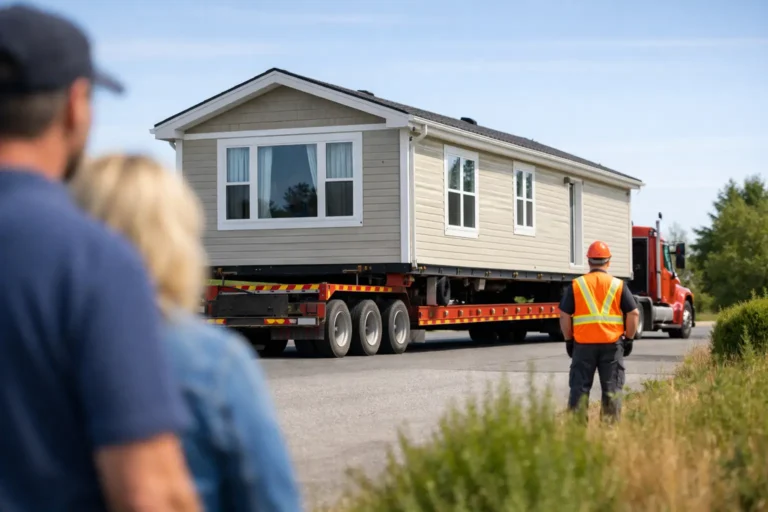
The second is location. If the home is in a park, the park may not allow an older condemned home to stay. Even if a buyer wants it, they may need park approval. If approval is denied, then the deal becomes about moving the home or removing it, and not every home can be moved legally or safely.
The third is money pressure. Many owners are behind on lot rent, taxes, or personal bills. A long listing period is not helpful when notices are piling up. Speed matters more than squeezing out a few extra dollars that may never materialize.
The fourth is condition. Some condemned homes are repairable. Some are not worth repairing. If the cost to fix the structure, roof, plumbing, electrical, flooring, and code issues is higher than the home’s after-repair value, retail pricing is off the table.
Your real options when you need to sell fast
If you need to sell condemned manufactured home in NC, you generally have three realistic paths.
The first is to sell it directly to a cash buyer who buys distressed manufactured homes. This is usually the simplest route when the home has major damage, title issues, park complications, or a short timeline. You skip repairs, showings, and the back-and-forth with retail buyers who are not equipped for this kind of property.
The second is to market it to a niche buyer yourself. That might mean advertising to contractors, mobile home investors, or people looking for a project. This can work if the home still has salvageable value and you have time to field calls, verify buyers, and deal with questions about title, location, move costs, and park rules. The trade-off is uncertainty. Many leads will not close.
The third is to sell the land and handle the home separately, if the manufactured home is on private property and has little to no structure value. In some cases, the land is the real asset and the home is a cleanup issue that must be priced into the deal.
What affects the cash offer
Owners sometimes assume a condemned home has zero value. Sometimes that is true. Often it is not. But the offer will depend on practical factors, not wishful pricing.
A buyer will look at the age of the home, single-wide or double-wide size, whether it is in a park or on land, how severe the damage is, whether the home can stay in place, whether the title is clear, and how much is owed in lot rent or taxes. They will also consider removal costs if the home cannot remain where it is.
This is where manufactured housing experience matters. A general house flipper may not understand park approval, moving restrictions, axle and hitch issues, HUD labels, title transfer requirements, or whether repairing the home even makes sense. A specialist buyer looks at the full picture and gives you a number based on what can actually be done next.
A simple process works best
When sellers are already stressed, they do not need a complicated closing path. The cleanest process is simple.
First, share the basics about the home – location, year, size, condition, whether it is in a park, and any known title or lot rent issues. Second, schedule a quick review so the buyer can confirm the situation. Third, review the offer and decide if it works for you.
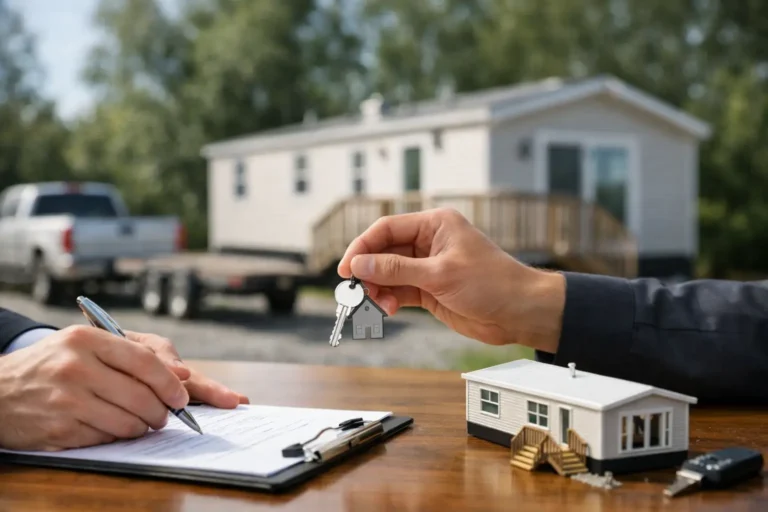
If the numbers make sense, the next step is paperwork and closing. If they do not, you should still walk away with a clearer picture of what your home is worth and what problems need to be solved.
That is why a no-pressure offer matters. When you are dealing with condemnation, you need answers quickly, but you also need straightforward terms.
When selling as-is makes more sense than repairing
A lot of owners ask whether they should try to fix the home first. Sometimes the answer is yes, but usually only when the repairs are limited and the home can remain on site with approval.
If the home has severe structural damage, heavy water damage, soft floors throughout, missing systems, or an active code issue that requires major work, repairs can become a money trap. You spend thousands just to end up with a home that is still hard to finance or still too old for many parks.
Selling as-is makes more sense when time is short, funds are tight, or the home’s condition makes retail resale unrealistic. That is especially true for inherited homes, vacant homes, and situations where the seller lives out of state and cannot manage contractors locally.
Local knowledge matters more than people think
North Carolina manufactured home sales are rarely just about finding a buyer. They are about handling the details correctly. County rules, title transfer steps, tax status, park communication, and move logistics all affect whether a deal actually closes.
That is why many sellers in the Triad and surrounding Central North Carolina markets choose a buyer who already works in this space every day. A local company like Triad Mobile Homes can often make a fair cash offer within 24 hours or less, help sort through the hard parts, and move toward a fast close without asking you to repair, clean, list, or show the home.
For many owners, that certainty is the real value. Not just an offer, but a path forward.
What to do next if your home has been condemned
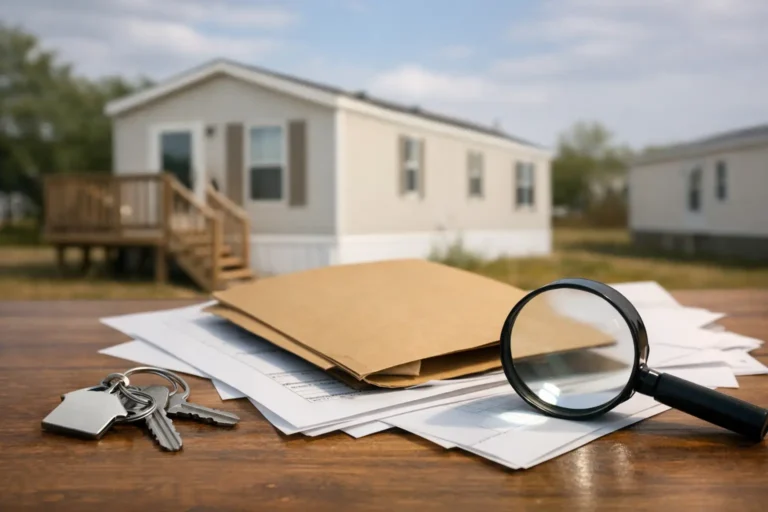
Start by gathering whatever you have. That may include the title, tax information, park notices, condemnation notices, photos, and any estimate you have received for repair or removal. Do not worry if your file is incomplete. Even partial information can be enough to get the conversation started.
Then get a real opinion from someone who understands distressed manufactured homes in North Carolina. Not every home is worth saving, but many are still worth selling. The key is knowing which route gives you the fastest, cleanest exit with the least risk.
If your goal is to move on without more repairs, more delays, and more money going out, a direct cash offer is often the most practical next step. A condemned home can feel like a dead end, but in many cases it is still a sale – it just needs the right buyer and a straightforward plan.