

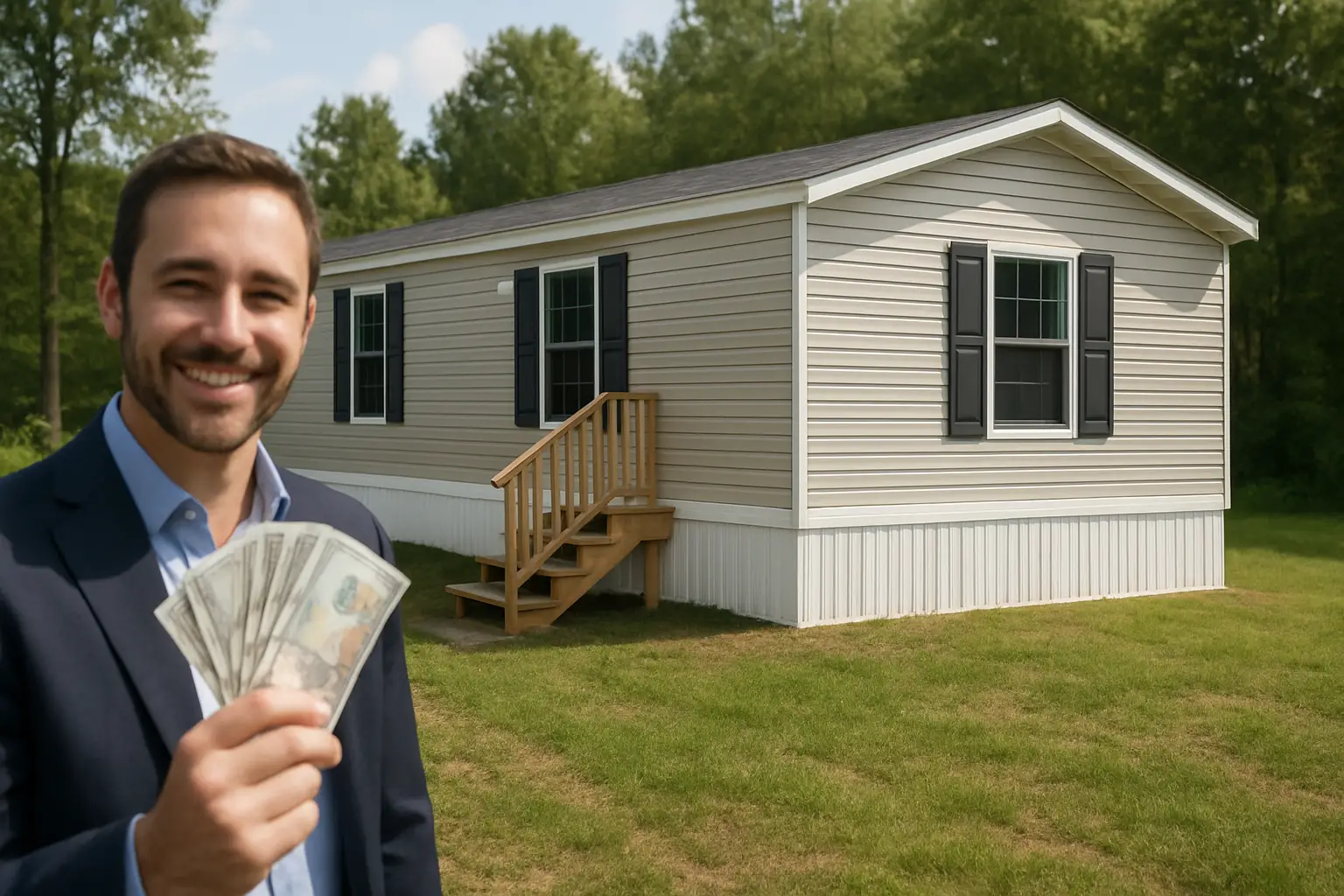
The phone usually rings after a surprise: a buyer asks, “So… do I get the land too?” or a lender says, “We can’t finance it,” or a county record shows the home and land don’t match.
If you’re trying to sell a mobile home on private land in North Carolina, those moments can slow the sale down fast. The good news is that most of the problems are predictable. Once you know which kind of sale you’re really doing (home only, land only, or both together), you can choose the path that fits your timeline, your paperwork, and the condition of the home.
First decision: are you selling the home, the land, or both?
A mobile home on private land can be sold in three different ways, and each one attracts different buyers.
If you’re selling both the home and the land together, you may be able to sell it like a typical real estate property. That can open the door to more traditional buyers, but only if the paperwork lines up and the home is legally treated as part of the real estate.
If you’re selling the mobile home only (and keeping the land), then you’re basically selling personal property unless it has been converted to real property. Home-only sales often move faster, but the buyer has to solve the “where will it go?” problem, and the title process is usually the center of the transaction.
If you’re selling the land only (and removing the home), you’ll be dealing with removal, disposal, or relocation logistics. That’s not always cheap, and counties can have rules about how a home is decommissioned.
Your fastest route comes from getting clear on which one you’re doing before you start advertising or taking calls.
What makes private-land mobile home sales different
Mobile homes on private land sound simpler than selling in a park because you control the property. In reality, private land adds a different layer: land records, permits, utilities, and how the county classifies the home.
Here are the issues that most often create delays in Central NC.
1) Title vs deed: what is the home, legally?
In North Carolina, a manufactured home is commonly titled like a vehicle unless it has been legally converted to real property. If the home is still titled, you’ll need a clean title to transfer ownership, and any liens must be handled.
If the home has been converted to real property, the title may have been surrendered and the home is treated like part of the land. In that case, the deed and county records matter more than a physical title.
Many sellers aren’t sure which applies until a buyer asks for proof. A quick check with your paperwork (or your county tax records) can save you weeks.
2) Land ownership and boundary clarity
If you own the land, great – but buyers will still ask questions about easements, right-of-way access, shared driveways, and whether the home is fully inside the property lines.
If the land is family-owned or inherited, confirm whose name is on the deed now. If multiple heirs own it, you may need everyone involved to sign, or you may need to resolve the ownership first.
3) Utilities and septic or well questions
Private land often means septic and well. Buyers will want to know if the systems are functioning and whether there are any known failures. You don’t necessarily have to pay for inspections to sell, but you should be ready for the conversation.
Even with public water or sewer, buyers may ask about utility bills, shutoffs, or past issues. If the home is vacant, confirm utilities can be turned on for a walkthrough without surprises.
4) Permits, additions, and “extra structures”
Carports, room additions, porches, and outbuildings can help value, but they also create questions. Was the work permitted? Is it attached correctly? Is it insurable?
If you know an addition was DIY and not permitted, don’t hide it. The best approach is to price and market the property based on what it is today, not what you wish it were.
How to prepare to sell without turning it into a full-time job
You don’t need a perfect home to sell. You do need clean, basic information that prevents deal-killing confusion.
Start by gathering what you already have: any title paperwork, your tax bill, and any payoff info if you still owe on the home or land. If you have a survey, septic permit, or old listing info, keep it handy.
Then take 15 minutes to document the property like a buyer would see it. A clear set of photos and honest notes about age, condition, and major issues will reduce back-and-forth and keep you in control of the timeline.
If the home is in rough shape, it’s still sellable. The key is deciding whether you’re looking for a retail buyer who wants to live there, or a buyer who will fix, move, or replace the home.
Pricing reality: speed vs top dollar
When people get stuck trying to sell a mobile home on private land, it’s often because they’re comparing it to a stick-built home sale.
Mobile homes don’t always appraise or finance the same way, especially older single-wides, homes with additions, or properties with unresolved title issues. That affects how many buyers can qualify, which affects price.
If you have time, a clean property, and the home is eligible for financing, listing the home-and-land together may bring higher offers. If you need certainty and speed, pricing for a cash buyer who will take it as-is is often the calmer route.
Neither approach is “right.” It depends on your situation: relocation deadline, inherited property, back taxes, vacancy, damage, or just not wanting months of showings.
Selling options that actually work in Central NC
Most sellers end up choosing between two practical routes.
Option A: Sell to a retail buyer (more steps, potentially higher price)
This is the path where you market to people who want to live there. It usually requires decent condition, basic cleanup, and patience. Expect more questions about financing, septic, and repairs. If a lender is involved, timelines get longer and paperwork requirements increase.
If you go this route, be prepared for renegotiations after inspections or lender conditions. That doesn’t mean the buyer is bad – it’s just how financed deals work.
Option B: Sell for cash as-is (fewer steps, faster close)
Cash buyers are common in the manufactured housing space because they can buy homes that lenders won’t touch. That includes older models, homes with soft floors, roof issues, mold concerns, or properties with title and paperwork complications.
A true as-is cash sale should reduce friction: no repair list, no cleaning standards, no drawn-out contingency period. The trade-off is usually price – you’re paying for speed and certainty.
If you want a local, no-obligation cash offer for a mobile home in the Triad region, you can reach out to Triad Mobile Homes LLC and get an offer within 24 hours or less in many cases.
Common “private land” complications and how to handle them
These are the issues we see derail deals most often, along with the cleanest way through.
The home has a title, but it’s lost
A missing title is stressful, but it’s not always the end. The fix depends on whose name is on record and whether there’s a lien. The important part is not waiting until you have a buyer to start addressing it, because replacement timelines can vary.
There’s still a loan or lien
If there’s a payoff, the sale can still happen. The payoff amount just needs to be addressed at closing so the buyer receives clear ownership. Be wary of handshake deals that don’t properly release liens.
The land is in one name, the home is in another
This happens with family property, divorce situations, and inherited homes. It doesn’t mean you can’t sell, but it does mean you should slow down long enough to confirm who can legally sign for what.
The home is “not movable” but you want to sell it as home-only
Some older homes can’t be moved safely or economically. If the buyer must move it, that matters. If you’re selling the land too, it may not matter at all.
Be honest about condition and access. A buyer who plans to move the home needs to know about tight driveways, tree coverage, and whether a mover can physically get in.
The property has code or permit issues
If you’ve gotten notices about unsafe structures, unpermitted hookups, or zoning complaints, don’t ignore them. You may not have to fix everything to sell, but a buyer needs to understand what they’re taking on.
In some cases, selling to a buyer who can handle the clean-up is the simplest way to stop the stress from growing.
What a clean, low-stress sale process looks like
No matter which route you choose, the smoothest sales follow the same basic rhythm.
First, you share the facts: location, whether you own the land, year and size of the home, and the biggest issues you know about.
Next, you align on the plan: home-only or home-and-land, approximate timeline, and whether you’re selling as-is.
Then you handle paperwork and closing details without surprises: confirming ownership, resolving payoffs if needed, and setting a close date that matches your move-out or handoff.
If a process feels like it’s turning into endless “maybes,” that’s a sign the buyer isn’t ready, isn’t qualified, or doesn’t understand manufactured housing. You’re allowed to choose certainty.
A helpful closing thought
If you’re trying to sell a mobile home on private land, don’t start by scrubbing baseboards or arguing with strangers online about price. Start by getting clear on what you’re selling, what paperwork exists, and how quickly you need this off your plate. The rest gets easier once the decision is honest.