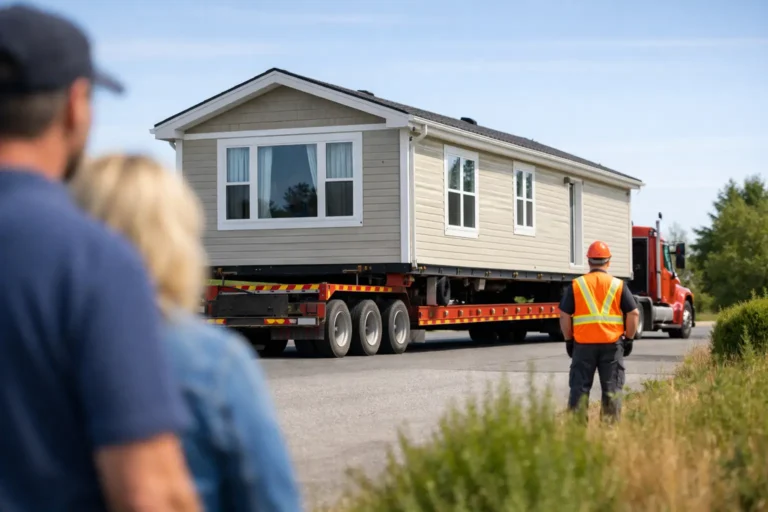


That moment when a serious buyer says, “Great – just send me the title,” is where a lot of mobile home sales stall.
Not because the seller is doing anything wrong. Manufactured housing just comes with extra layers: DMV titles, VIN labels, park rules, land questions, liens that don’t show up the way you expect, and paperwork that changes depending on whether the home is in a park or on private property.
Below is the best paperwork checklist for mobile home sale that we’ve seen actually prevent delays in North Carolina – especially around the Triad (Greensboro, Winston-Salem, High Point) where parks, private land setups, and older homes all show up in the same week.
The best paperwork checklist for mobile home sale (NC)
A clean sale is mostly a clean paper trail. The goal is simple: prove ownership, prove what’s being sold, and prove the buyer can take over without surprises.
Think of this checklist as “what you gather before you try to close.” Some items are must-haves, some are only needed in certain situations. If you’re not sure which bucket you’re in, that’s normal.
1) Proof you own it: title, owners, and IDs
In North Carolina, most mobile homes have a title issued through the NC DMV (even though it’s a home). If you can’t produce the right ownership documents, buyers either walk or the closing drags out.
You want to confirm the names on the title match the people signing the sale. If a spouse, ex-spouse, parent, or deceased owner is still listed, you may need additional documents before anyone can transfer it.
At minimum, gather:
- Mobile home title(s). Single-wide and double-wide homes may have separate titles for each section. Many delays happen because one title is missing.
- Government-issued photo ID for each titled owner.
- If an owner has passed away: estate or probate paperwork showing who has authority to sign.
- If names changed (marriage/divorce): supporting paperwork so the chain of ownership makes sense.
Trade-off to know: replacing a lost title is doable, but it takes time. If you’re facing an urgent deadline (park eviction notice, relocation, or foreclosure pressure), waiting on a replacement title can be the difference between selling this month and selling “eventually.”
2) VIN/HUD label details: what the home actually is
Buyers and parks often want to verify the home’s identity. On many manufactured homes, there’s a HUD data plate inside and/or a metal HUD tag outside. Older homes may have missing labels, which can create headaches when someone needs to confirm the VIN/serial.
Pull together any of the following you can find:
- VIN/serial number(s) from the title.
- HUD label number(s) or the data plate info (if available).
- Basic home description: year, make, model, size, and whether it’s single-wide or double-wide.
If you can’t find labels, don’t panic. It just means you should be upfront early, because buyers may need alternate verification.
3) Lien and loan payoff information (if you still owe money)
A big chunk of mobile home “title problems” are really lien problems. If there’s a lender listed on the title, that lien must be released before a clean transfer happens.
To avoid last-minute surprises, get:
- Your current payoff statement (not just the monthly balance). The payoff can be different due to interest and fees.
- Lender contact info and any account/reference number.
- If the loan was paid off years ago but still shows on the title: any lien release paperwork you have.
It depends scenario: sometimes the sale can still happen with a payoff built into the closing, but only if everyone is clear on the numbers and timeline. If the lender is slow, your closing is slow.
4) If the home is in a park: park approval and lot paperwork
Selling inside a mobile home park is not the same as selling on private land. You’re not just transferring a home – you’re dealing with a landlord’s rules.
Some parks require the buyer to apply and be approved before the home can stay. Others require the home to be moved out. Some won’t allow older units at all. This is where sellers lose weeks because they only discover the rule after finding a buyer.
If you’re in a park, gather:
- Your lot lease or park rules (whatever you were given when you moved in).
- Park manager contact info.
- Current lot rent amount and whether you’re paid up.
- Any written park requirements for a sale (application process, background check rules, age restrictions, skirting/steps standards, etc.).
If you’re behind on lot rent, don’t hide it. In many cases it can be negotiated, but surprises kill deals.
5) If the home is on private land: land paperwork changes everything
When a mobile home sits on land you own, you need to be clear about what’s being sold. Is it just the home? The land too? Are they legally tied together?
In NC, some manufactured homes have been converted to real property, meaning the title may be retired and the home is treated like part of the real estate. That can be good for financing, but it changes the paperwork path completely.
If the home is on land, gather what you can:
- Deed or proof of land ownership.
- Parcel number and property tax info.
- Mortgage info (if there is a land mortgage).
- Any documentation showing whether the mobile home title was retired (if applicable).
Trade-off to know: selling “home only” on private land can mean coordinating a move. Selling “home and land” can mean dealing with a more traditional property closing. Which is faster depends on your setup.
6) Property tax and registration paperwork
Buyers want to know taxes won’t come back to bite them later. In NC, mobile homes can be taxed differently depending on whether they’re in a park, on private land, and whether they’re titled or treated as real property.
Helpful items include:
- Most recent property tax bill or receipt showing whether taxes are current.
- Any DMV registration-related documents you have (especially for older titled homes).
If you’re not sure what you owe, it’s better to find out early than to have a buyer discover it during closing.
7) A simple bill of sale (even when there’s a title)
Yes, the title matters. But a clear bill of sale still helps because it spells out the basics in plain English: who’s selling, who’s buying, what’s included, and the agreed price.
A solid bill of sale should match the title details and include the home’s description and serial/VIN. It should also state whether appliances, HVAC equipment, sheds, or decks are included.
This is also where “as-is” language often lives. Most quick mobile home sales are as-is, especially if the home needs repairs, has water damage, or has been vacant.
8) Utility and service account details (to prevent post-sale mess)
This isn’t “closing paperwork” in the strict sense, but it prevents the common headache where bills keep hitting the seller.
Before you hand over the home, line up:
- Electric account info and disconnect/transfer steps.
- Water/sewer details (city or well/septic, if on land).
- Gas/propane info if applicable.
- Any service contracts you plan to cancel.
If the home is in a park, the park may control water/sewer billing. Get clarity on how final billing works.
9) Keys, access, and anything that proves the home is ready to transfer
Buyers move faster when they can get access without delays. If you’re out of state or managing an inherited home, access planning matters as much as documents.
Have a plan for:
- All keys (doors, sheds, breaker panels if locked).
- Gate codes or park access instructions.
- A clear path for a walk-through (even a quick one).
If the home is vacant and in rough shape, set expectations upfront. “It’s as-is and messy” is fine. “It’s clean and ready” when it’s not leads to renegotiations.
The paperwork changes based on your sale type
Most sellers don’t realize they’re choosing between three different paperwork tracks.
If you sell to an individual buyer in a park, you’re usually dealing with park approval, lot rent status, and a buyer who needs everything perfect because they’re moving in.
If you sell to an investor or professional buyer, the deal can be more forgiving on condition and timing, but they still need clean ownership and a workable transfer.
If you sell with a move involved, paperwork and logistics become a package deal. Transport rules, setup standards, and who pays for what can quickly outweigh the “sale price” conversation.
That’s why the best checklist is the one that matches your situation, not the one that looks nice on paper.
What tends to delay a mobile home sale in Central NC
In the Triad area, the same issues show up again and again.
Missing a second title on a double-wide is a big one. Another is a deceased owner still on title, especially with inherited homes where siblings live in different states.
Park rules also cause delays, particularly when a park won’t accept older homes or requires the buyer to meet income/background requirements. Sellers often find a buyer quickly, then the park says no.
Finally, liens linger. People pay off a lender and assume the title is clear, but the lien release never gets recorded properly. That can be fixed, but it’s rarely instant.
How to use this checklist without getting overwhelmed
Start with ownership first. If you don’t have a clear title path, nothing else matters. Once you confirm who can sign and what titles exist, move to the “where is it sitting” question: park or private land. That tells you what the next 80% of the paperwork will look like.
Then gather the items that reduce back-and-forth: payoff statements, park requirements, tax info, and a simple bill of sale draft. You don’t need perfection on day one, but you do need clarity.
If you want a fast, no-pressure route, a local buyer that handles manufactured home logistics can save a lot of time. Triad sellers who want a quick cash offer without repairs or showings can reach out to Triad Mobile Homes LLC to see what a straightforward, as-is sale looks like.
One helpful closing thought: the fastest mobile home sales aren’t the ones with the fanciest listing. They’re the ones where the paperwork is ready before emotions and deadlines start driving the deal.