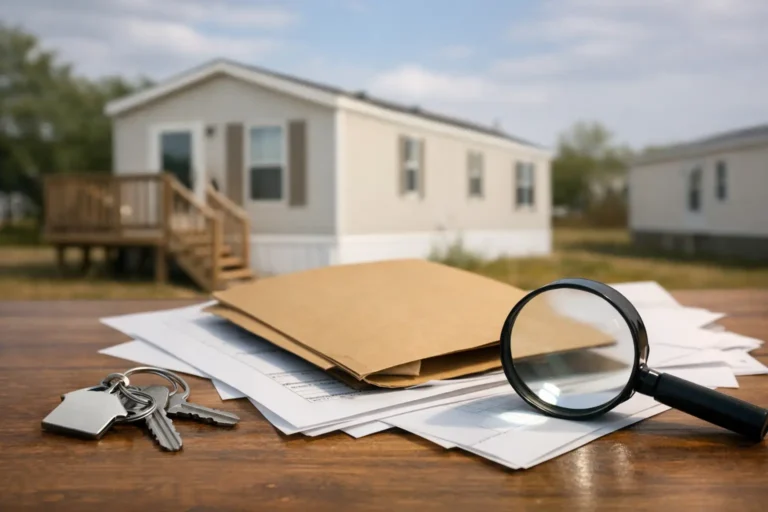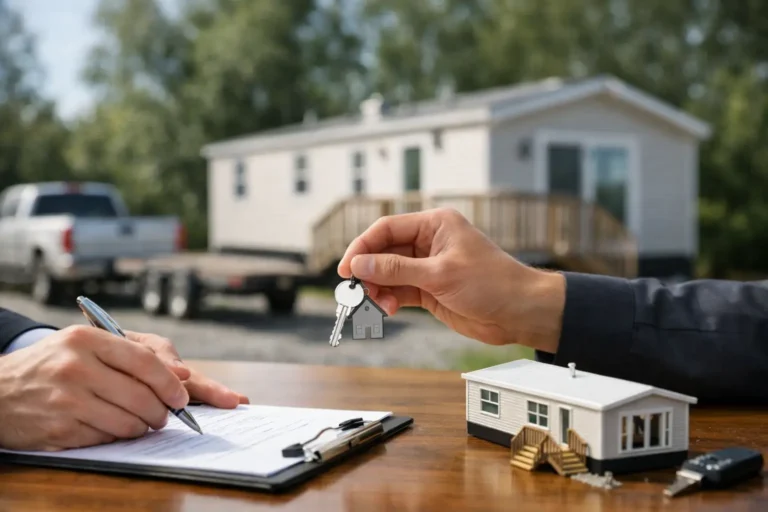

If you have a buyer lined up for your mobile home but the park has to approve the sale, you are not really at the finish line yet. In many North Carolina park sales, the buyer can agree on price, sign paperwork, and still get stopped by the park office. That is where deals slow down, and sometimes fall apart.
This guide to mobile home park sale approval is built for sellers who need clear answers fast. If you are behind on lot rent, dealing with an inherited home, moving out of state, or just tired of waiting, the approval process matters because the park often has a say in who can take over the lot.
Why park approval matters in a mobile home sale
When a mobile home is in a park, the buyer is usually not just buying the home. They are also asking the park for the right to live there and lease that lot. Those are two separate pieces of the transaction.
That distinction catches many sellers off guard. You may own the home, but you do not own the land underneath it. So even if your buyer is ready to pay, the park can still require an application, proof of income, background screening, rules acknowledgment, and confirmation that the home meets park standards.
In practical terms, this means your sale approval timeline depends on more than just price and title. It depends on the park’s rules, your buyer’s qualifications, and whether there are any problems with lot rent, repairs, or paperwork.
A practical guide to mobile home park sale approval
Most park sale approvals follow the same basic path, even if the details vary by community. First, you confirm what the park requires. Then the buyer applies. The park reviews the file, and if everything checks out, the sale can move toward closing and title transfer.
That sounds simple, but every step can create delay.
Step 1: Ask the park for its sale and residency requirements
Before you market the home or accept a buyer, call the park office and ask direct questions. Do they allow in-place sales? Does every adult occupant need to apply? Is there a minimum income standard? Are there age restrictions, pet restrictions, or occupancy limits? Is there an application fee? How long does approval usually take?
You also need to ask whether the home itself must meet certain conditions before a new resident can be approved. Some parks will not approve a transfer if skirting is damaged, steps are unsafe, the exterior has visible issues, or old code violations are still open.
Get as much of this in writing as possible. A verbal answer from the office is helpful, but written requirements prevent confusion later.
Step 2: Make sure your own account is in good standing
Many parks will not move forward if the seller owes back lot rent, late fees, utility charges, or fines. Some will allow the balance to be paid at closing. Others want it cleared before they even review the buyer.
If you are behind, do not assume the issue can wait until the last day. Ask for a payoff or account statement early. That gives you a real number to work with and helps avoid a last-minute surprise that kills the deal.
Step 3: Prepare the home and the documents
Approval problems are often half paperwork and half condition. On the paperwork side, be ready with the title, VIN or serial information, your ID, and any loan payoff if there is still a lien. If the home is inherited, you may also need estate documents. If the title is missing, that needs to be addressed early because title issues can delay everything.
On the condition side, focus on obvious deal-breakers first. Broken windows, unsafe steps, missing skirting, soft flooring near the entry, or major trash outside can trigger park concerns. You do not always need a full remodel, but visible health and safety issues can make approval harder.
Step 4: Have the buyer apply quickly and completely
This is where many sales stall. A buyer says they are interested, but they take a week to fill out the application. Or they leave out income documents. Or one adult occupant applies while another does not. In a park sale, incomplete applications cost time.
A serious buyer should submit everything the park asks for right away. That may include pay stubs, bank statements, ID, background information, vehicle details, and signed acknowledgment of park rules. If the park has an online portal, use it. If it uses paper forms, make sure every page is complete.
Step 5: Stay in contact during the review period
Do not assume no news means progress. Parks are busy, and files can sit if something is missing. A polite follow-up can keep the process moving.
This does not mean calling every two hours. It means checking in after a reasonable period, confirming the application was received, and asking whether anything else is needed. If a buyer is truly qualified, a small delay may be no big deal. But if the buyer is borderline on income, credit, or rental history, early communication matters.
Common reasons a mobile home park sale approval gets delayed
The biggest delay is usually buyer qualification. Some parks have strict income requirements, and cash to buy the home does not always solve that issue. A buyer might have enough money for the purchase but still fail the monthly income test for lot rent.
Another common issue is occupancy. If too many people plan to live in the home, the park may reject the application based on its rules or the home’s size.
Condition can also be a problem. Even if the buyer wants the home as-is, the park may not. Parks often care about exterior appearance, safety, and rule compliance because the home remains in their community.
Then there are title and ownership problems. If the seller’s name does not match the title, if an heir is trying to sell without the right documents, or if there is an old lien, approval and closing can both get stuck.
What sellers get wrong about park approvals
The most common mistake is treating park approval like a formality. It is not. In some deals, it is the main event.
Another mistake is marketing the home to anyone with cash, without checking whether they can actually qualify with the park. That can waste weeks. A cash buyer who cannot pass the park’s screening is not really your buyer.
Sellers also underestimate timing. If you need to sell fast because of eviction risk, relocation, divorce, or inherited property costs, you do not want to learn about missing documents at the end. The earlier you identify the park’s requirements, the more options you keep open.
If the buyer is denied, what happens next?
It depends on the contract, the park’s rules, and the condition of the home. Sometimes the buyer walks and you start over. Sometimes another occupant on the application can qualify. In other cases, the better path is selling to a professional mobile home buyer who already understands park rules, title issues, and how to work through difficult situations.
That matters most when time is not on your side. If you are facing back lot rent, a vacant unit, damage, or remote ownership, you may care more about certainty than holding out for a retail buyer who might not get approved.
In cases like that, working with a local company such as Triad Mobile Homes LLC can reduce the back-and-forth. A specialist can often help sort out the park communication, review title problems, and give you a fair cash offer without asking you to fix the place up first.
How to make the process easier from the start
The best approach is simple. Verify the park’s rules before you agree to terms. Gather your title and account information early. Be honest about the home’s condition. Push for a complete buyer application right away, and follow up until you have a clear yes or no.
If your situation is complicated, speed matters more than perfection. A clean process usually beats a higher promised price that drags on for weeks and never closes.
FAQs about mobile home park sale approval
Does a park have to approve every buyer?
In most cases, the park has the right to screen and approve residents who will lease a lot in the community. The exact rules depend on the park’s policies and applicable law, but sellers should assume approval is required unless the park says otherwise in writing.
Can I sell my mobile home as-is in a park?
Sometimes, yes, but the park may still require minimum condition standards if the home will stay in place. As-is does not always mean the park will approve a neglected home for a new resident.
How long does park approval take?
It varies. Some parks can review an application in a few business days. Others take one to two weeks or longer, especially if documents are missing or the office is slow to respond.
Can I sell if I owe lot rent?
Possibly, but you need to ask the park how the balance must be handled. Some parks require it paid before approval. Others may allow payoff through closing.
If you are trying to sell a mobile home in a park, the fastest path is usually the one with the fewest surprises. Get the facts early, keep the paperwork tight, and do not wait for problems to fix themselves.