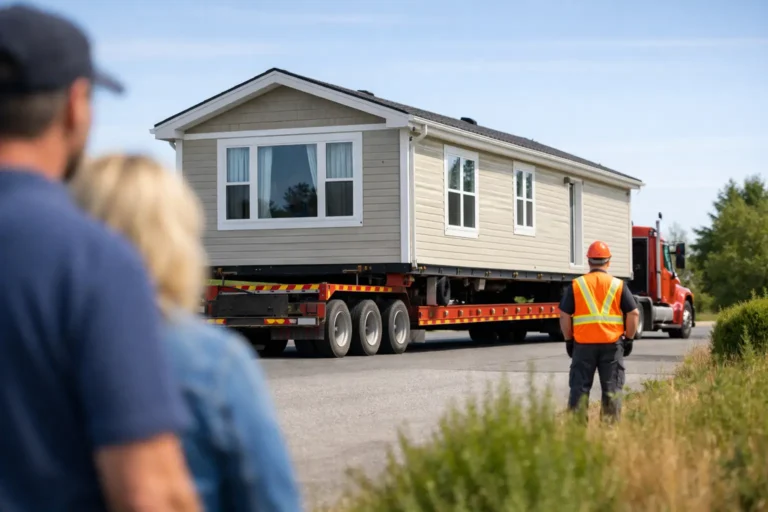

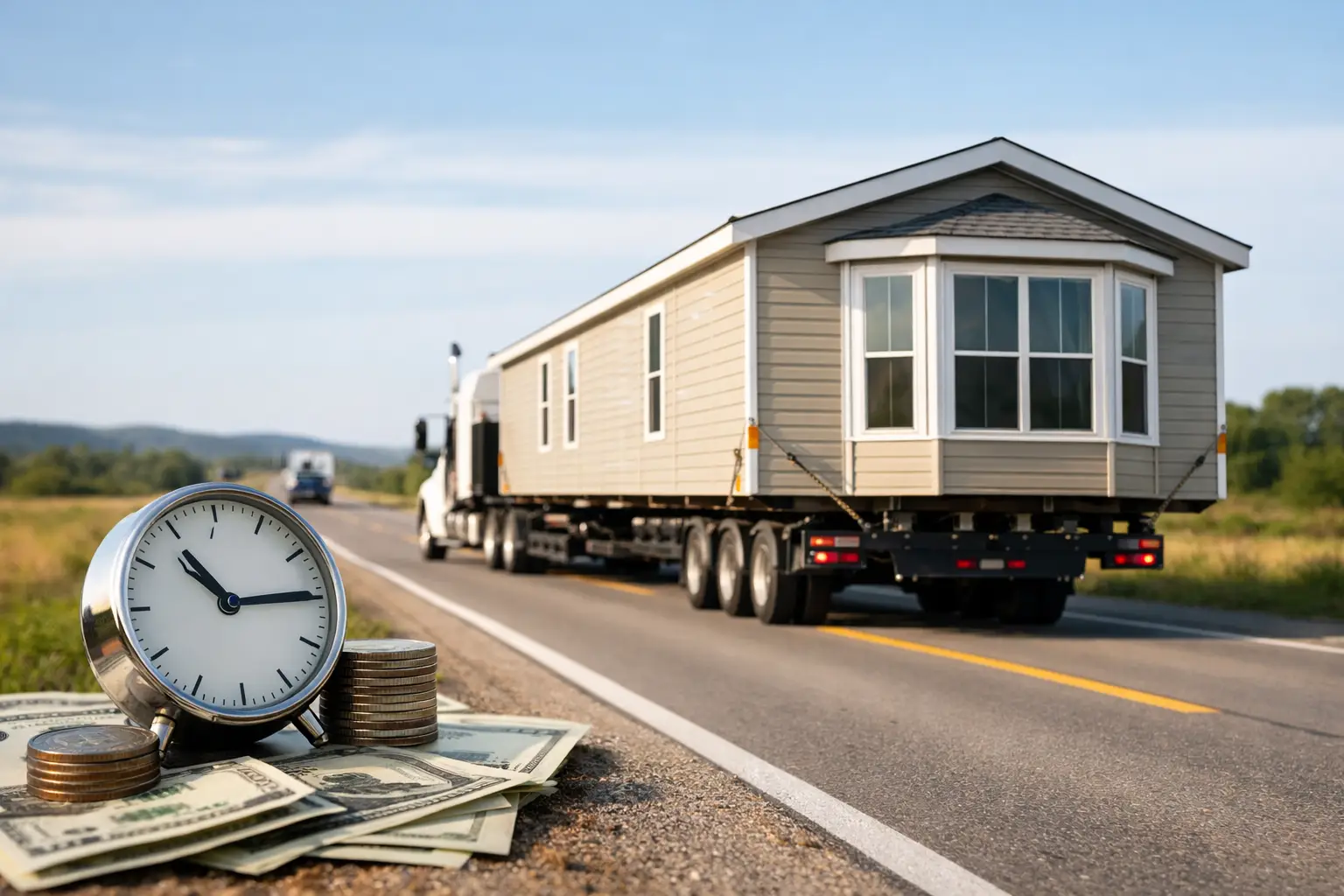
A move can look simple from the outside. Hook up the home, haul it down the road, set it back up. In real life, that is where sellers get blindsided.
The truck is only one part of the bill. The calendar can stretch longer than expected. And if you are selling a mobile home in North Carolina, moving questions can affect whether a deal works at all. This guide to mobile home moving costs and scheduling breaks down what actually drives the price, where delays usually happen, and how to plan without getting caught off guard.
What actually goes into mobile home moving costs
Most people ask one question first – how much does it cost to move a mobile home? The honest answer is that it depends on distance, home size, local rules, and how much work is needed before and after transport.
A short local move for a single-wide usually costs far less than a long-distance move for a double-wide. But even that comparison only tells part of the story. In many cases, the actual transport fee is not the biggest problem. Permits, escorts, utility disconnection, setup, steps, skirting, tie-downs, and site prep can push the total much higher than expected.
That is why owners should think in terms of total project cost, not just hauling cost. A mover may quote one number for transport, but you may still need to pay separate contractors for tear-down, reinstallation, and inspections. If the home has damage, missing axles, tire issues, or older components that do not meet current requirements, the number can climb again.
In practical terms, many moves fall into one of three buckets. A local single-wide move may be manageable if the home is in movable condition and both sites are ready. A double-wide move often costs much more because it involves splitting sections, more labor, more escort requirements, and more setup work. A long-distance move can stop making financial sense quickly, especially for older homes.
A practical guide to mobile home moving costs and scheduling in NC
If you are in the Triad or surrounding Central North Carolina markets, scheduling is usually just as important as price. The move itself might happen in a day. Getting to that day can take much longer.
First, the title and ownership paperwork need to be straight. If there is a missing title, lien issue, inherited ownership problem, or mismatch in records, the move can stall before anyone loads the home. This is common, especially with older homes or family transfers.
Second, the current location matters. If the home is in a mobile home park, management may have its own rules, notice periods, back lot rent requirements, buyer approval process, or age restrictions. Some parks do not allow older homes to be moved in or out without specific approvals. Others may limit the mover’s access or require proof that balances are paid.
Third, the destination site has to be ready. If the new lot is not cleared, graded, permitted, and approved for utility connections, the home may sit in limbo. That creates extra cost fast.
For many sellers, that is the turning point. They realize this is not just a moving decision. It is a full logistics project with legal, site, park, and timing issues all tied together.
The biggest factors that affect your total price
Home size is the obvious one. Single-wides are generally less expensive to move than double-wides, and triple-wides can be much more complicated. Width affects permits and route planning. Multiple sections increase labor and setup time.
Distance is another major factor, but not always in a straight-line way. A 20-mile move through easy local roads may be simpler than a shorter route with traffic restrictions, low clearances, narrow access, or utility line issues. If escorts are required, those costs add up too.
Condition matters more than many owners expect. If the frame is compromised, tires or axles are missing, or the home has suffered storm or water damage, a mover may charge more or refuse the job entirely. Older homes can present problems because of structural wear, outdated components, or park restrictions.
Then there is setup. Once the home arrives, it still needs to be blocked, leveled, anchored, connected, and often finished with skirting, steps, and porches. If HVAC, plumbing, or electrical work is needed, those are separate costs in many cases.
Finally, site work can make or break the budget. Tree removal, grading, pad preparation, driveway access, and utility trenching are not minor add-ons. They can be some of the largest line items in the whole move.
How long does a mobile home move take?
People often picture the transport day and assume the process moves quickly. The real schedule is usually measured in weeks, not days.
If paperwork is clean, the route is straightforward, and both sites are ready, a local move can come together faster. But a realistic timeline often includes time to verify title, coordinate with a park, hire licensed movers, pull permits, schedule escorts if needed, disconnect utilities, prepare the destination lot, move the home, and complete setup and inspections.
Weather can shift the timeline. Heavy rain can delay site prep and transport. Utility companies may have limited scheduling windows. Local permit offices can move slower than expected. During busy seasons, qualified movers may be booked out well in advance.
That means scheduling should start earlier than most owners think. If you are trying to move because of a deadline – park closure, sale date, lot rent pressure, job relocation, or inherited property cleanout – waiting can cost you options.
Why scheduling problems are so common
The biggest delays usually happen before the truck ever shows up.
One common issue is incomplete ownership records. Another is park approval. Sellers may also run into trouble when the destination site is not ready, or when one contractor assumes another contractor is handling a step that nobody actually scheduled.
Communication gaps are expensive in mobile home moves. The mover, park office, utility providers, county offices, and setup crew all have separate timelines. If one piece slips, the whole project can slide.
That is also why some homeowners decide not to move the home at all. When the home is older, the site work is expensive, or the paperwork is messy, selling in place can be the cheaper and faster option.
When moving the home makes sense, and when it doesn’t
If the home is in good shape, the destination lot is lined up, and the value after relocation supports the expense, moving may make sense. This is more common with newer homes, desirable floor plans, or situations where the owner already has land ready.
But if the home is older, needs repairs, has title problems, or sits in a park with strict rules, the math can change quickly. Spending thousands on moving and setup only makes sense if the final outcome is worth it. In some cases, owners spend more than they expected and still face delays or rejections.
That is where a direct sale can remove a lot of pressure. Instead of solving transport, permits, buyer sourcing, and paperwork on your own, you can sell the home as-is and let a specialist handle the hard parts. In Central North Carolina, that is often the simpler path, especially when time matters. Triad Mobile Homes works with sellers who need a fair cash offer without repairs, showings, or drawn-out logistics.
How to plan before you commit
Start by getting clear on the condition of the home and the legal paperwork. If you are not sure where the title stands, find that out first. Then confirm whether the current park allows the move and whether the new site is actually approved for placement.
Next, compare the total move cost against the home’s realistic value after relocation. Be honest here. Owners sometimes price the move based on hope instead of actual numbers. A home that looks movable may still need expensive prep or setup work.
Finally, build extra time into your schedule. If you need the home gone by a hard deadline, do not assume every permit and contractor will line up perfectly. A backup plan matters.
Sometimes the best decision is still to move the home. Sometimes the smart move is to sell it where it sits and avoid a long list of moving costs and scheduling headaches. The key is knowing the difference before you spend money you cannot get back.
If you are facing a move, a sale, or a complicated park or title situation, slow down just enough to price the full project honestly. A clear number and a realistic timeline can save you from a very expensive guess.