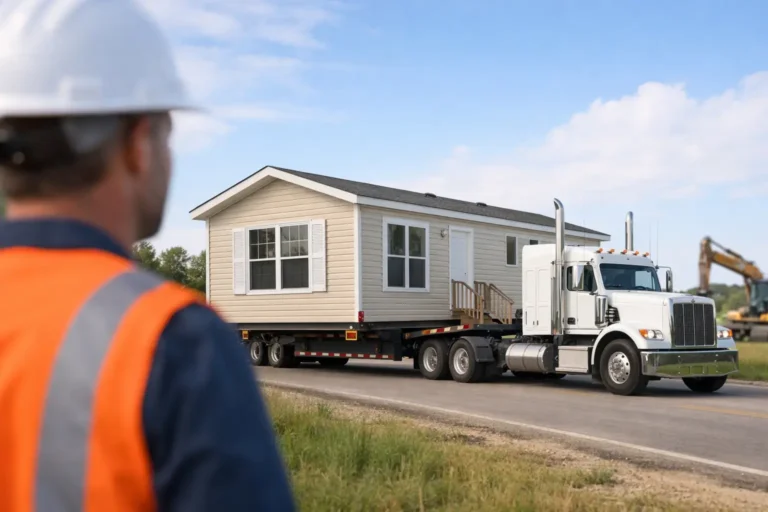

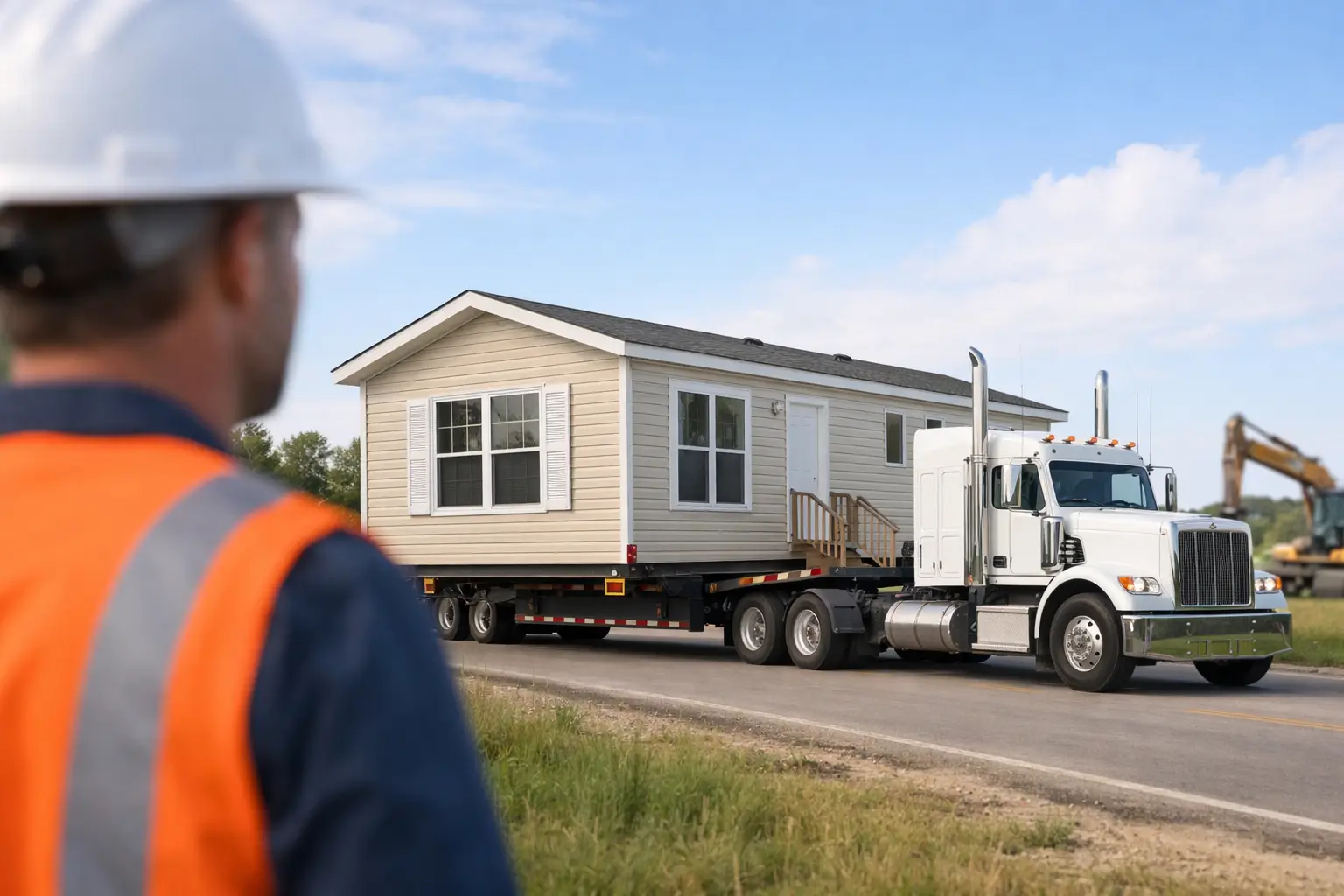
If you are trying to sell a manufactured home and someone says, “We can just move it,” slow down for a minute. Mobile home move logistics are usually the part that turns a simple sale into a stalled deal. Between permits, title issues, park rules, transport setup, and site readiness, the move itself is rarely the only thing that matters.
For many sellers in North Carolina, the real problem is not finding a person interested in the home. It is figuring out whether the home can legally move, where it can go, who will approve it, and how long that will take. That is why sellers who want speed usually need a buyer or specialist who can handle the hard parts instead of leaving them to guess through the process.
What mobile home move logistics actually include
A lot of owners hear “logistics” and think only about trucks and towing. In reality, mobile home move logistics start well before the home leaves the lot. The title has to be in order. The home’s size, age, condition, and setup matter. If it sits in a park, park management may need to approve the move or the buyer. If it sits on private land, there may be tax records, permits, and utility disconnects to deal with.
Then there is the route itself. A transporter has to know whether the home can travel certain roads, clear overhead obstacles, and meet local and state requirements. Double-wides and multi-section homes add another layer because each section may need separate handling, escorts, and setup at the destination.
This is where sellers get stuck. What sounds like one job is really several jobs tied together. If one piece fails, the whole timeline can shift.
Why moving a mobile home can delay a sale
When a seller is behind on lot rent, facing a deadline, handling an inherited home, or trying to avoid more repair costs, time matters. The problem is that a move-based sale often depends on outside approvals. That means the buyer may want the home, but the timeline is not fully in their control.
A park may refuse older homes from being brought in. Another park may require skirting, steps, HVAC, or cosmetic improvements before approving placement. A county may need permit paperwork before setup can begin. A transporter may be booked out longer than expected, especially during busy seasons or after storms when crews are stretched thin.
Even small issues can create real delays. Missing VIN information, title problems, unpaid taxes, or a home that is not properly separated from additions and porches can stop progress fast. If the buyer is relying on a move and those details are unresolved, the deal can drag out or fall apart.
The biggest factors that affect mobile home move logistics
The first major factor is whether the home is in a park or on private land. In a park, management rules matter a lot. Some parks allow homes to be sold in place but make moving them out complicated. Others are more focused on screening who can buy or live there. If the home must be removed, the seller needs clarity on deadlines, lot rent balances, and park release requirements.
The second factor is the home’s physical condition. A home in rough shape can still be sold, but moving it may be harder. Weak frames, soft floors, roof damage, missing axles, or structural concerns can increase transport costs or make some movers refuse the job. A buyer willing to purchase a distressed home may still prefer to keep it in place if possible because the move risk is lower.
The third factor is paperwork. Titles need to be available and correct. If there are liens, deceased owners, inheritance issues, or name mismatches, those have to be addressed. Sellers often underestimate how often paperwork, not the home itself, is the real obstacle.
The fourth factor is destination readiness. A home cannot just be taken off one lot and dropped anywhere else. The receiving site may need grading, utility hookups, permits, and access for delivery. If the destination is not ready, the move schedule can collapse.
Selling in place versus selling for removal
This is one of the biggest decisions in any mobile home sale. If the home can stay where it is, the process is often easier. Selling in place can reduce transport risk, shorten the timeline, and avoid some setup costs. For park homes, this option depends on park approval and whether the buyer meets the community’s requirements.
If the home must be removed, the buyer has to absorb more uncertainty. That usually affects price. It does not always mean a bad offer, but it does mean the buyer is taking on moving risk, scheduling issues, and possible permit or setup costs. Sellers who expect the same price from a removal sale as an in-place sale are often disappointed.
That is not unfair. It is just how the numbers work. The more complicated the move, the more the buyer has to budget for things that have nothing to do with the home’s interior condition.
Who usually handles the move details
It depends on the deal structure. In some private sales, the seller ends up chasing paperwork, coordinating with the park, answering transporter questions, and waiting on the buyer to get organized. That can be frustrating, especially if the seller is already dealing with a move, family situation, or financial pressure.
In a stronger cash sale, the buyer or specialist usually takes the lead on coordinating the process. That does not erase every issue, but it takes the burden off the seller. A good buyer knows what to ask first, what can delay closing, and whether the home is better sold in place, marketed to another buyer, or removed.
That hands-on support matters more than people think. Sellers do not just need an offer. They need somebody who understands how title transfer, park communication, and move coordination fit together.
A practical way to think about mobile home move logistics
Start with the question that saves the most time: does the home actually need to move for the sale to happen? If the answer is no, selling in place is often the cleaner path. If the answer is yes, the next step is to check the title status, confirm the park or land situation, and get a realistic sense of the home’s condition.
After that, timing becomes the key issue. If you have a deadline because of back lot rent, repossession risk, probate pressure, or relocation, you need a buyer who can tell you quickly whether a move-based plan is realistic. Wishful thinking is expensive in this kind of situation. A fast, honest answer is worth more than a high promise that falls apart later.
This is also where local experience makes a difference. Rules, park expectations, and scheduling realities vary by market. A buyer working in the Triad and Central North Carolina will usually spot likely problems faster than someone trying to figure it out from a distance.
When a fast cash sale makes more sense than waiting on a move
Not every seller should hold out for a buyer who plans to move the home. If the home has condition issues, title complications, park pressure, or a tight timeline, a direct cash sale may be the simpler option. That is especially true when the seller values certainty over squeezing out the last possible dollar.
A fair cash offer is not about pretending the logistics do not exist. It is about working with a buyer who already understands them and can build them into a realistic plan. In some cases, that means buying the home quickly and handling the next steps. In others, it means helping market the home to the right kind of buyer while managing the process more closely.
Triad Mobile Homes LLC works with sellers facing exactly these kinds of problems across Central North Carolina. The goal is straightforward – reduce delays, remove guesswork, and help the seller move on without spending weeks chasing paperwork, buyers, and transport answers.
What sellers should do before they agree to any deal
Before you sign anything, ask simple questions. Does the home need to be moved? Who is responsible for permits and transport coordination? Is the title clear? Does the park have to approve the sale or removal? What happens if the move cannot happen on time?
Those questions are not overthinking it. They are how you avoid getting tied up in a deal that sounds easy but turns messy. The best buyer will answer clearly and without pressure. If someone gets vague when the topic shifts to move details, that is usually a sign the process is not as solid as it should be.
A mobile home sale can move quickly, even when the situation is complicated. But speed comes from knowing what matters first, not from skipping steps. If your sale depends on mobile home move logistics, the right help is the difference between a clean exit and a long delay. Get clear answers early, and the rest of the process gets a whole lot easier.