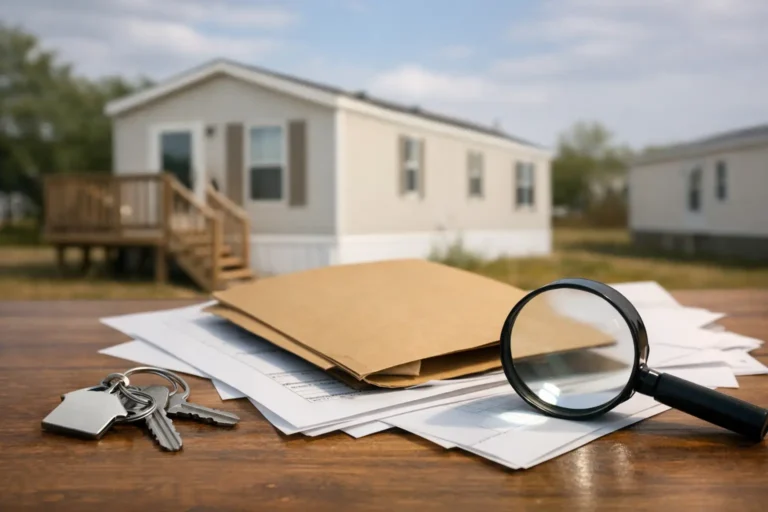


If you need to sell fast, the mobile home closing timeline matters more than almost anything else. Maybe you are behind on lot rent, dealing with an inherited home, trying to avoid more carrying costs, or just want the property gone without weeks of back-and-forth. The short answer is that some mobile home sales can close in a matter of days, while others take a few weeks or longer. It depends on the title, the land, the park, the buyer, and how many problems need to be cleared before money can change hands.
That is why mobile home sales do not follow one neat schedule. A clean cash deal on a home with proper paperwork can move quickly. A sale with title problems, park approval issues, lien questions, or transport complications can slow down fast. If you know where delays usually happen, you have a much better shot at getting to closing without wasting time.
What affects the mobile home closing timeline?
The biggest factor is whether you are selling only the home or the home and land together. If it is just the home in a mobile home park, the transaction may be more straightforward, but park approval and lot rent status can still affect timing. If the home is on private land, there may be deed work, taxes, and other closing steps that make the process look more like a traditional real estate sale.
The next big issue is paperwork. In North Carolina, title problems are one of the most common reasons a mobile home closing gets delayed. If the title is missing, signed incorrectly, still in someone else’s name, or tied to an estate, divorce, or old loan, closing can stall until that gets fixed. The same goes for unpaid taxes, liens, or questions about whether the home has been legally transferred in the past.
Buyer type also matters. A cash buyer can usually move much faster than a retail buyer who needs financing. Mobile home financing is often harder to secure than financing for a site-built house, especially for older homes or homes in parks. When a lender gets involved, underwriting, appraisals, and condition requirements can add time and uncertainty.
A typical mobile home closing timeline, step by step
Step 1: Initial contact and property review
This part can happen quickly, sometimes the same day. You provide the basic details about the home, such as year, size, location, title status, condition, whether it is in a park or on land, and whether anyone still lives there. If a buyer is local and works with mobile homes regularly, they can usually tell pretty fast whether the deal is simple or whether extra work will be needed.
For sellers in a hurry, this first step matters because it sets the pace. If you can provide clear photos, any title paperwork you have, and honest details about repairs or back payments, you save days of unnecessary follow-up.
Step 2: Offer and basic due diligence
Once the buyer reviews the home, they may make an offer right away or after a quick inspection or site visit. In a direct cash sale, this part often moves much faster than a listed sale because there are no showings, no waiting for multiple offers, and no repair negotiations with retail buyers.
This is usually where the buyer checks for issues that could affect closing. They may confirm ownership, ask about lot rent, verify whether taxes are current, and check whether the park allows the home to stay or requires approval for the next occupant. If the home needs to be moved, that adds another layer because transport permits, setup logistics, and destination details can all affect timing.
Step 3: Title and document cleanup
This is the part that can either be quick or drag the whole process out. If the title is clear and properly assigned, this step may take very little time. If the title is lost, if there are multiple owners, if one owner has passed away, or if an old lender still appears on the paperwork, expect delays while replacement documents or legal corrections are handled.
For inherited homes, this stage often takes longer than sellers expect. The family may agree on selling, but if the estate paperwork is not complete, the closing cannot move forward as quickly as everyone wants. The same goes for divorce situations or homes that changed hands informally without proper title transfer.
Step 4: Final closing and payment
Once the paperwork is ready, the closing itself is usually the easy part. The seller signs the needed documents, title or deed transfers are completed, and payment is issued based on the terms of the deal. In a clean cash transaction, this can happen very quickly after due diligence wraps up.
If you are working with a company that specializes in these deals, they often coordinate the hard parts for you instead of leaving you to sort out every office, signature, and document on your own. That can make a major difference when time matters.
How fast can a mobile home sale really close?
A straightforward cash deal may close in as little as a few days to about two weeks. That is realistic when the title is clear, the seller is ready, there are no major disputes, and the home is easy to access. Some deals take longer simply because the seller needs more time to move out or gather paperwork.
A more typical timeline for a sale with a few complications might be two to four weeks. If there are title corrections, park management issues, estate documents, loan payoffs, or move coordination, it may take longer than that.
The key point is this: the mobile home closing timeline is not just about the buyer’s speed. It is about how many obstacles are already attached to the home before the sale starts.
What usually slows closing down?
Title issues are at the top of the list. Missing titles, unsigned titles, name mismatches, and unresolved liens are all common. Sellers are often surprised to learn that even if they have lived in the home for years, the legal paperwork may still be incomplete.
Park-related problems are another major delay. If the home is in a park, management may need updated lot rent records, buyer approval, or notice before a transfer. If lot rent is seriously behind, that can create pressure and complicate negotiations.
Condition can matter too, but not always in the way people think. Major damage does not automatically stop a cash sale. What causes delays is uncertainty – hidden water damage, unsafe access, missing sections of the home, or questions about whether it can remain in place or be moved.
Then there is the human side. If multiple heirs are involved, if one co-owner is hard to reach, or if the seller is overwhelmed and cannot gather documents, the calendar stretches out quickly.
How to speed up your mobile home closing timeline
The fastest sellers are usually the most prepared, not the ones with perfect homes. If you want the process to move, start by finding any title paperwork, tax records, loan payoff information, and park contact details before you accept an offer. If you know there are problems, say so early. Hiding them rarely helps, and it usually creates delays later.
It also helps to work with a buyer who already understands mobile home transactions in your area. Mobile homes have their own rules, especially in North Carolina, and a general buyer may not know how to handle title transfers, park communication, or moving logistics. A specialist can often spot issues early and keep the process from stalling.
If speed matters most, cash terms usually beat financed offers. You may not get the same number you would hope for in a perfect retail sale, but you are trading some upside for certainty, less paperwork, and a much faster closing path. That trade-off makes sense for many sellers dealing with deadlines, financial pressure, or a home they do not want to repair.
When a fast close makes the most sense
Not every seller needs to close right away. If your home is in strong condition, your title is clean, and you have time to market it, waiting for a retail buyer may be worth considering. But many mobile home owners are not in that situation.
If you are facing repossession, eviction from the park, inherited a home you do not want to manage, or need to stop the drain of taxes, insurance, and lot rent, time becomes part of the price equation. A slower sale can cost more than people expect. That is why a fair cash offer and a shorter closing window are often the better fit for complicated situations.
At Triad Mobile Homes LLC, this is where a local, no-pressure process can help. When the goal is to sell without repairs, skip commissions, and move on quickly, having someone handle the paperwork and logistics is often what gets the deal across the finish line.
If you are trying to figure out your next step, do not ask only, “How much could I get?” Ask, “How long can I realistically wait, and what will waiting cost me?” That question usually brings the right closing timeline into focus.