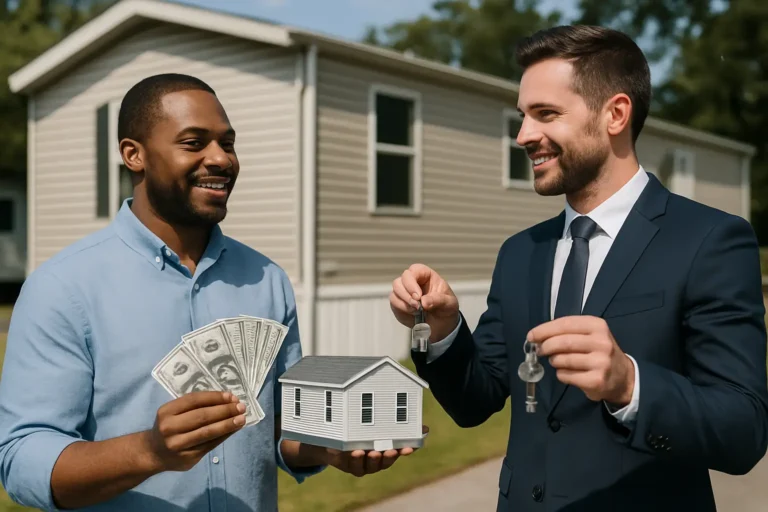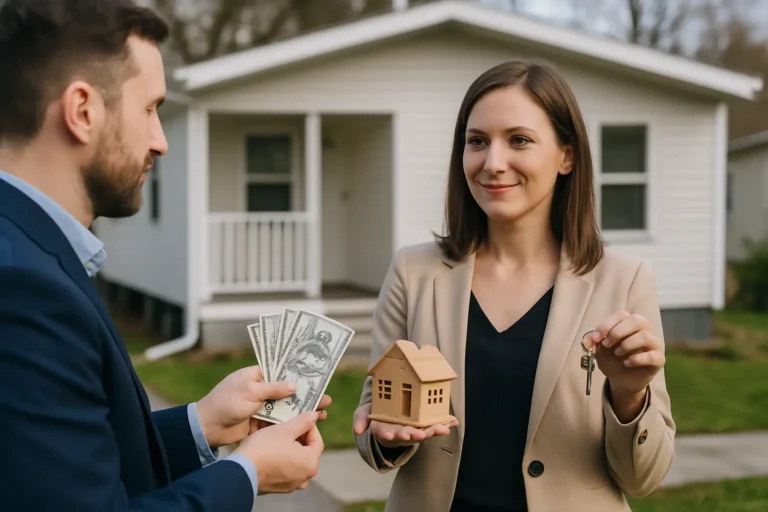


If you just typed “mobile home buyers near me,” there’s usually a reason it feels urgent.
Maybe the park is warning you about lot rent. Maybe the home is vacant and getting worse every week. Maybe you inherited a place in Greensboro or Winston-Salem and you’re trying to handle it from out of state. Or maybe you’re simply done putting money into a home that is not fitting your life anymore.
Whatever brought you here, you’re not looking for a lecture. You’re looking for a clear path to a real offer and a closing that actually happens.
What “mobile home buyers near me” really means
When most sellers search this phrase, they are not asking for a random buyer anywhere in the state. They are looking for someone local who understands the practical stuff that makes manufactured housing different: titles, park approvals, moving rules, older home conditions, and the timelines that lot managers and lenders do not bend for.
Local matters because mobile homes are hyper-specific. A buyer who knows Central North Carolina will usually have a better read on what parks allow, what movers can handle, and what paperwork the county expects when a title is missing or a prior owner never properly transferred it.
It also matters because “near me” often equals “fast.” A local buyer can view the home quickly, coordinate with the park or landowner, and close without weeks of scheduling delays.
The three main types of buyers you will run into
Not all buyers operate the same way, and your best option depends on what you need most: speed, maximum price, or minimum hassle.
Cash buyers who purchase directly
This is the simplest route when time or condition is the problem. A direct buyer looks at the home, makes an offer based on real-world resale potential and costs, then buys it without asking you to list it, stage it, or repair it.
The trade-off is straightforward: direct cash offers are designed for certainty and speed. If your home is retail-ready and you have time to wait, you might do better on price with a longer process. If you need it handled now, direct is usually the cleanest solution.
Retail buyers (your “end buyer”)
This is the person who plans to live in the home. They often want the best deal they can get, but they also tend to need the most from you: showings, back-and-forth negotiation, repairs, and patience while they figure out financing.
If you have a newer home, clean title, park approval lined up, and you can wait, selling to an end buyer can make sense. If you are dealing with damage, paperwork issues, or a strict move-out deadline, this route can get stressful fast.
Brokers or marketers who find a buyer
Some companies do not buy your home themselves in every case. Instead, they market it through mobile home community networks and channels like Facebook Marketplace, then bring you a buyer.
This can be helpful if your home is sellable but you do not want to field calls, schedule meetups, or deal with no-shows. The key is clarity – ask whether they are making a direct cash offer or finding a buyer, and what happens if it does not sell quickly.
What affects your cash offer (and why buyers ask so many questions)
If you request an offer and it feels like the buyer is asking a lot, that is not always a bad sign. In manufactured housing, small details change the entire deal.
Condition is the obvious one – roof leaks, soft floors, mold, HVAC issues, and plumbing problems all affect value. But so do the “invisible” factors.
Location and setting matter: is the home in a park, on private land, or in a co-op? Park rules matter a lot. Some parks restrict older homes, require inspections, or limit who can buy. If the park has to approve the buyer, that step can make or break the timeline.
Age and HUD data plates come up for a reason. Many parks and lenders treat pre-1976 homes differently. Even when financing is not involved, the market for older homes can be smaller, and moving them can be harder.
Title status is huge in North Carolina. If there is no title, the names do not match, or there is a lien that was never released, the sale can stall until it is fixed. A serious local buyer will ask early so there are no surprises when you are ready to close.
Another big factor is whether the home must be moved. Moving costs can be thousands of dollars, and not every home can be moved safely. If a buyer is pricing a deal that includes transport, they will factor in setup, permits, and the risk that the home will not survive the move.
Red flags to watch for when you contact mobile home buyers
Speed is good. Sloppiness is not.
Be cautious if someone refuses to put terms in writing, pressures you to sign immediately, or keeps changing the price after promising a number “sight unseen.” It is also a problem if they cannot explain how they close or how they handle titles and park coordination.
A legitimate buyer should be able to answer basic questions in plain English: How do you determine the offer? Who pays closing costs? When do I get paid? What paperwork do you need from me? What happens if the park will not approve the sale?
You should also expect a no-pressure conversation. If you feel rushed, step back. The right buyer will let the deal make sense, not try to force it.
If your mobile home is in a park, start here
Park sales are common in the Triad area, but they are not the same as selling a house.
First, call the park manager and ask what they require for a sale. Some parks need an application from the buyer. Some need an inspection. Some will not allow homes below a certain age or condition to stay, which can turn your “sale” into a “must move.”
Second, get clear on lot rent status. If you are behind, ask what the park needs to release the home. Sometimes paying the balance is required. Sometimes a buyer can help coordinate timing, but parks generally want their rent current.
Third, understand that park approval can affect speed. A cash buyer can often close quickly, but the park’s process may still set the pace.
If your mobile home is on private land, the questions change
When the home is on land you own, you may be dealing with two separate assets: the home and the real estate. Sometimes the home is titled as personal property. Sometimes it has been converted and recorded differently.
A buyer will want to know if utilities are on, whether there are septic or well issues, and whether there are permit problems or additions like decks and rooms that were not built to standard. None of that means you cannot sell. It just changes the plan and the price.
How a fast, local sale typically works
Most sellers want a simple process. You should not have to guess what comes next.
In a straightforward direct sale, you share basic details and photos, schedule a quick walkthrough if needed, and receive an offer that accounts for condition, location, title, and any move requirements.
If you accept, the buyer coordinates the closing steps: paperwork, park communication, and timing. In many cases, you can sell without cleaning, repairs, or showings. That is the point of working with a specialist instead of trying to run a retail sale yourself.
If you are in Central North Carolina and want a no-obligation cash offer, Triad Mobile Homes LLC buys mobile and manufactured homes directly and is set up to handle the hard parts – including poor condition homes, title issues, and park logistics – with offers typically provided within 24 hours.
How to choose the right path for your situation
If your home is newer, in good shape, and you have time, you may want to test the retail market. You can often push the price higher, especially if the park is stable and the home is move-in ready. Just be honest with yourself about what you are signing up for: marketing, showings, negotiation, and the chance a buyer backs out.
If your home needs work, you are under a deadline, or you simply do not want strangers walking through your place, a direct cash buyer is usually the more predictable option. You are trading some upside for speed and a cleaner exit.
If you are not sure, ask for an offer and compare it to the effort and cost of getting top dollar. Many sellers do not factor in the hidden costs of retail selling – repairs, missed work for showings, months of lot rent, and the stress of waiting.
The questions to ask before you say yes
Before you accept any offer, get clarity on timing and responsibility.
Ask when you get paid and what “close” means in their process. Ask who pays any back lot rent, if applicable. Ask what happens if the title needs a correction. Ask whether you need to be present, especially if you are out of state. A capable local buyer will have answers that sound like steps, not guesses.
And ask what they need from you. A simple transaction should not feel like a full-time job.
Selling a mobile home can be quick and straightforward when the buyer knows the territory and is willing to do the work most sellers get stuck with. The best next step is not to overthink it – it is to start a real conversation, get a real number, and choose the option that lets you move on with the least friction.