

If you have ever tried to sell a manufactured home like a regular house, you already know where things go sideways. The buyer asks about the title. The park wants approval. Someone mentions moving costs. Then the deal slows down or dies.
That is why a solid manufactured home selling checklist matters. It helps you catch the issues that usually delay a sale, especially in North Carolina, where title problems, lot rent, park rules, and home condition can all affect timing. If your goal is to sell fast and avoid extra stress, this is the work to do first.
Manufactured home selling checklist: start with the basics
Before you think about photos, price, or buyers, confirm what exactly you are selling. A manufactured home sale can look very different depending on whether the home is in a park or on private land.
If the home is in a mobile home park, find out whether the buyer can keep it on the lot. That one question can save you a lot of wasted time. Some parks require buyer applications, age restrictions, background checks, or home condition standards. Others may not allow older homes to remain in the community at all.
If the home is on private land, figure out whether the land is part of the sale. Also confirm whether the home is still titled as personal property or has been converted to real property. That affects paperwork, closing, and who can buy it.
At this stage, your checklist is simple: know the location setup, know whether the home stays or moves, and know whether the land is included. Without those answers, pricing and marketing are mostly guesswork.
Get your paperwork together early
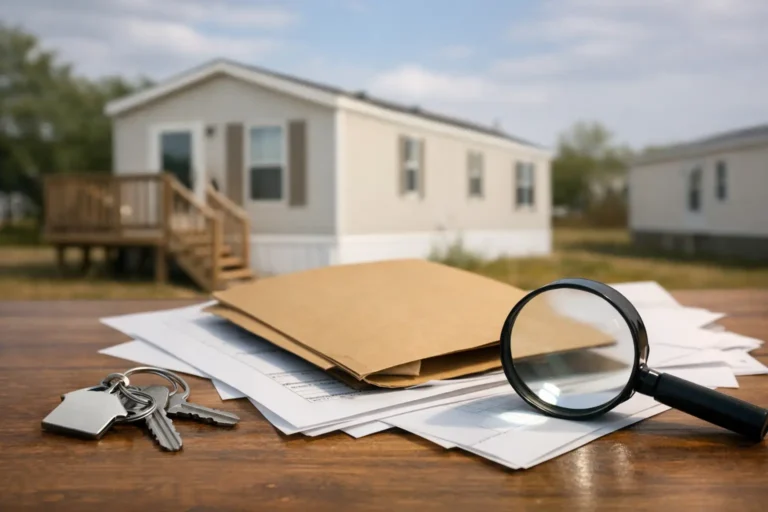
Paperwork is where many manufactured home sales stall. Sellers often wait until they find a buyer, then realize a title is missing, a name is wrong, or there is an old lien that was never released.
Start with the title. If your home is a single-wide, there is usually one title. If it is a double-wide, there are often two. Make sure you know how many title documents should exist and whether the ownership names match the seller exactly. If an owner has passed away, been divorced, or changed names, that needs to be addressed before closing.
You should also gather any lien payoff information, tax records, VIN or serial numbers, and basic purchase documents if you still have them. If the home is in a park, get a copy of the current lot lease or at least have the park contact information ready. If there are back lot rent balances, be upfront about that early. It may not kill the sale, but hiding it usually creates a problem later.
For inherited homes, the checklist gets more involved. You may need estate documents, death certificates, letters of administration, or other proof showing who has authority to sell. This is one of those situations where speed matters, but clean paperwork matters more.
Be honest about condition
A lot of sellers lose time trying to make a rough home sound cleaner, newer, or simpler than it is. That may get someone to call, but it usually does not get you to closing.
Walk through the home and write down the real condition. Check the roof, floors, soft spots, plumbing leaks, windows, HVAC, missing skirting, electrical issues, and signs of water damage. Also note cosmetic problems like stained ceilings, damaged walls, old carpet, broken cabinets, or trash left behind.
If the home needs repairs, that does not mean you cannot sell it. It just changes who the realistic buyer is and what kind of offer to expect. A cash buyer may still buy a home with major problems, while a retail buyer planning to live in it may expect repairs or a much lower price.
This is where sellers need to be practical. A home in excellent condition may support a higher asking price and attract more buyers. A home with major issues may be better suited for a direct sale with no repairs, no cleaning, and a faster close. Neither path is wrong. It depends on your timeline, budget, and tolerance for hassle.
Know your park rules before you market the home
This deserves its own step because park-related surprises are common.
If your home is in a community, contact park management before listing it or agreeing to a sale. Ask whether the home can stay on the lot after sale, what the buyer approval process looks like, whether there are age or condition restrictions, and whether any lot rent balance must be paid before transfer.
Also ask whether the park requires skirting, steps, underpinning, or exterior improvements before approving a buyer. Some parks are flexible. Some are strict. The point is to know the rules before you spend time talking with buyers who may never be allowed to close.
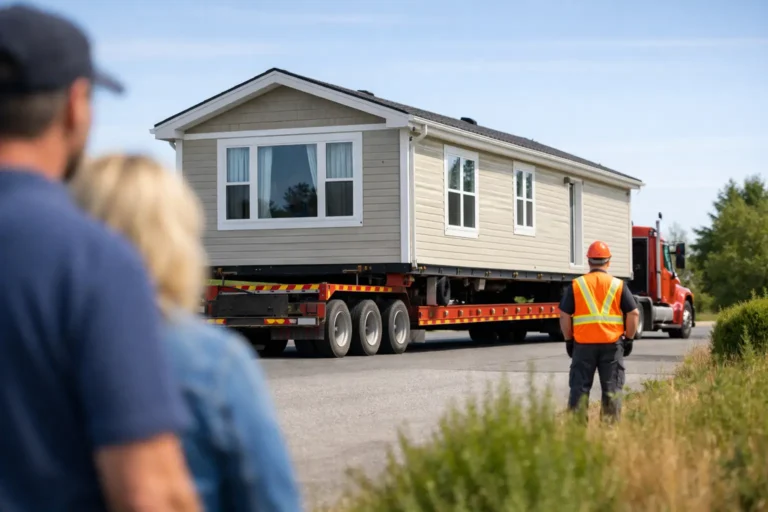
If the home cannot stay in the park, then the sale becomes a move sale, which changes everything. Moving a manufactured home adds cost, permits, transport coordination, and setup questions. That can shrink your buyer pool fast.
Price it based on the real market, not hope
Manufactured home pricing is not one-size-fits-all. Age, condition, size, location, title status, park approval, and whether the home must be moved all affect value.
Sellers often compare their home to site-built houses or to online listings that have been sitting for months. That is not a reliable way to price a manufactured home. A listed price is not the same as a sold price, and homes with title issues, park restrictions, or repair needs rarely sell at the number the owner first had in mind.
A better approach is to ask what kind of sale you actually want. If you want top dollar, you may need time, cleanup, repairs, and patience. If you want certainty and speed, you may choose a lower but cleaner offer that closes quickly and avoids commissions, listing fees, and carrying costs.
That trade-off matters more than many sellers realize. Holding out for a higher number can make sense in some cases. In others, each extra month means more lot rent, more utility bills, more stress, and more risk that the home gets worse.
Prepare for buyer questions
A serious buyer is going to ask for the same core details. If you have them ready, your sale moves faster.
They will want to know the year, make, model, size, title status, current location, monthly lot rent if applicable, condition, repair issues, and whether the home stays or must be moved. They may also ask if taxes are current, whether there is a lien, and how quickly you can close.
Have clear answers. If you do not know something, say so and work on finding it out. Guessing creates trouble. Clear information builds trust and cuts down on back-and-forth.
Photos help too, but only if they are current and honest. Show the exterior, kitchen, bathrooms, main living area, bedrooms, and any damage that affects value. You are not trying to win a design contest. You are trying to get a real buyer to make a real decision.
Decide how much work you want to do yourself
This is the part many owners overlook. Selling a manufactured home is not just about finding a buyer. It can also mean fielding calls, answering repetitive questions, coordinating with the park, handling paperwork, verifying titles, and managing people who say they are interested but never follow through.
If you have time, a clean home, and a straightforward situation, marketing it yourself may work. If you are dealing with inherited property, back lot rent, damage, title issues, relocation, divorce, or an urgent deadline, a direct buyer can be the simpler path.
That is why many Central North Carolina sellers choose a local specialist instead of trying to piece the process together alone. A company like Triad Mobile Homes can often make a fair cash offer, handle the hard parts, and move quickly without requiring repairs, showings, or agent commissions. That is not the right fit for every seller, but it is often the right fit for people who value certainty over waiting.
Final check before you say yes to any offer
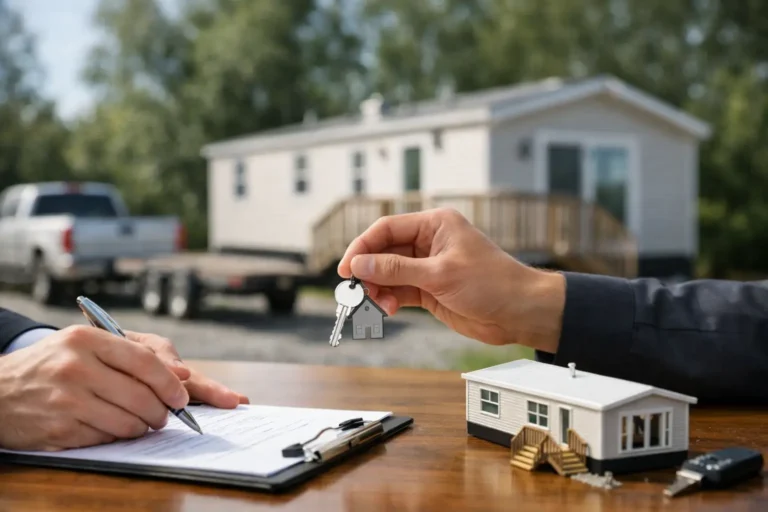
Before you agree to sell, make sure you understand exactly what the buyer is offering and what happens next. Ask who handles title work, whether there are any fees, how closing works, when you get paid, and whether the buyer is expecting repairs, cleanup, or move-out by a certain date.
If the offer sounds high but comes with delays, inspections, financing contingencies, or vague terms, be careful. A lower cash offer with straightforward terms can be the stronger deal if it actually closes.
The best manufactured home selling checklist is not about making the process look pretty. It is about removing the roadblocks that keep sellers stuck. When you know your paperwork, understand the park rules, price the home realistically, and choose the right selling path, you put yourself in a much stronger position to move on.