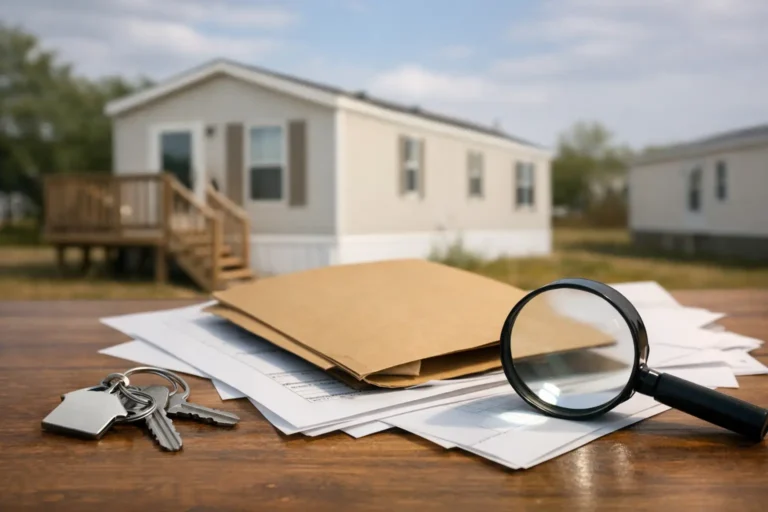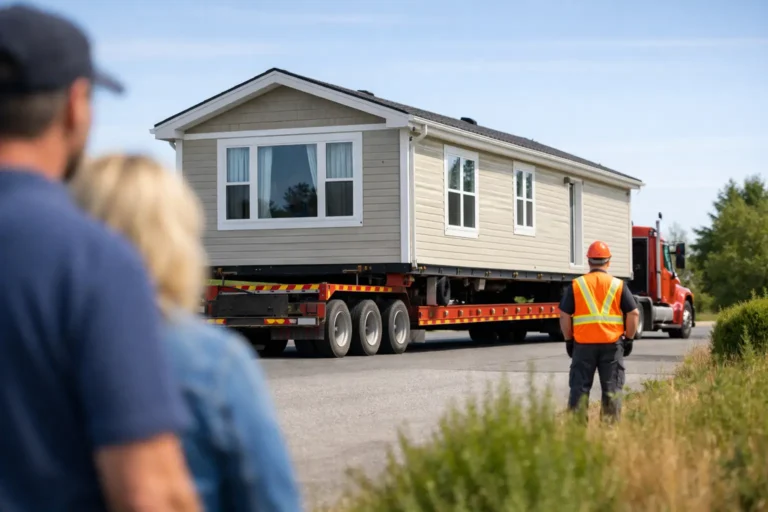


A bad buyer usually sounds good at first.
They say they can close fast. They promise cash. They tell you not to worry about the title, the park, the taxes, or the repairs. Then the problems start. The price changes. The paperwork gets vague. They stop answering when you ask direct questions. If you are trying to sell under pressure, that is exactly when a mobile home buyer scam can hit hardest.
For many sellers in North Carolina, the risk is not just losing time. It is falling further behind on lot rent, missing a move-out deadline, or signing over control of the home before the money is real. Mobile homes have extra moving parts – title work, park approval, taxes, land questions, transport issues – and scammers use that confusion to their advantage.
What a mobile home buyer scam usually looks like
Most scams are not flashy. They look like sloppy deals, half-true promises, and buyers who want you to move too fast without giving you real proof.
One version is the fake cash buyer. This person says they are ready to buy immediately, but they never show proof of funds. They pressure you to sign a bill of sale or transfer paperwork first, then claim their money is tied up, delayed, or coming after the weekend. Once you have signed the wrong document, you may have given away leverage you cannot easily get back.
Another version is the bait-and-switch offer. A buyer makes a decent offer over the phone, shows up, and then starts cutting the price for reasons they should have brought up earlier. Sometimes that is part of normal negotiation. Sometimes it is a tactic aimed at sellers who are overwhelmed, behind on payments, or dealing with an inherited home from out of town.
There is also the title dodge. A buyer tells you title issues do not matter, or says they will fix everything later after you sign. In manufactured housing, that is a major red flag. If a buyer is casual about title transfer, ownership records, taxes, or park approval, you can end up stuck in a mess long after the home is supposedly sold.
Why mobile home sellers are easier targets
A regular house sale is familiar to most people. A mobile home sale is not.
That gap matters. Sellers are often dealing with questions about whether the home is in a park or on private land, whether the title is clean, whether the home can stay where it is, and whether the buyer actually understands manufactured housing rules. If the seller is in a hurry, maybe because of relocation, divorce, storm damage, or back lot rent, they may accept vague answers just to get the process moving.
Scammers know this. They also know many mobile home owners are trying to avoid repairs, avoid agent fees, and avoid a long listing process. There is nothing wrong with wanting a direct sale. The problem is when a buyer uses that urgency to keep everything verbal and unclear.
Red flags you should not ignore
If a buyer will not identify who they are, that is a problem. You should know the name of the individual or company buying the home, how to reach them, and what role they play in the deal.
If they cannot explain their process in plain English, slow down. A real buyer should be able to tell you what happens first, what documents are needed, when you get paid, and who handles the title work.
If they refuse to put the offer in writing, walk away. Verbal promises do not protect you when the terms start changing.
If they ask for upfront fees from you to “hold the deal,” “start paperwork,” or “secure movers,” be careful. In many cases, that is where the scam starts. A serious buyer should be clear about who pays what and when.
If they want you to sign over the title before funds are verified, do not do it. Payment and paperwork should be handled in a controlled, documented way.
If the buyer keeps changing the closing location or says there is no need for basic documentation, that is another sign the transaction is not being handled professionally.
How to verify a buyer before you sign anything
Start with the basics. Ask for the full legal name of the buyer or business. Ask whether they are buying the home directly or assigning the deal to someone else. Ask for proof of funds if they claim it is a cash purchase.
Then ask deal-specific questions. Can they buy homes with title issues? Do they understand park rules? If the home needs to be moved, who handles that? If the home is inherited, what documents will they need from the estate? A real manufactured home buyer should answer these questions quickly because this is normal work, not an unusual exception.
You should also expect a clear written offer or purchase agreement. Read it slowly. Make sure the sales price, timelines, contingencies, and payment terms are spelled out. If there is a right for the buyer to back out, see exactly why and by when. If the document is vague on key terms, that is not a small issue.
This is one of those situations where simple is better than clever. Straight terms beat complicated promises every time.
The difference between a low offer and a scam
Not every offer you dislike is a scam.
A legitimate cash buyer may offer less than retail because they are taking on repairs, title cleanup, transport coordination, marketing risk, or the chance that the home cannot stay in the park. That is normal. A fast, as-is sale usually trades some price for speed and certainty.
The line gets crossed when the buyer lies, hides terms, pressures you to sign without time to review, or misrepresents how and when you will be paid. Low does not always mean dishonest. Unclear usually does.
That is why transparency matters more than sales language. You want a buyer who can explain the numbers and the process without dodging your questions.
Special risk areas in North Carolina mobile home sales
In North Carolina, sellers need to pay attention to title transfer, taxes, and whether the home is personal property or tied to land in a different way. If the home is in a park, park management may have rules about who can buy it or whether it can remain on the lot. If the home needs to be moved, permits and logistics matter.
A scam buyer will often wave off these details. A real buyer deals with them head-on.
That is especially important for inherited homes, older single-wides, and distressed properties. These are the situations where sellers often feel they have no good options, which makes them more vulnerable to bad actors. The truth is, difficult homes can still be sold. They just need the right process.
How a safe direct sale should feel
A legitimate buyer does not need to trap you.
They should inspect or review the home, explain their offer, and give you a written agreement with clear terms. They should tell you what documents are needed and what problems could affect timing. They should not pressure you to skip steps just because you are in a hurry.
The best direct buyers make the process simpler, not murkier. That means no pressure, no surprise commissions, no fake urgency, and no confusion about when you get paid. If you are selling to solve a problem, the buyer should actually reduce the problem.
For sellers across the Triad and Central NC, that is the standard to look for. Companies like Triad Mobile Homes LLC build their process around clear offers, local knowledge, and handling the hard parts up front because mobile home deals only work when the details are dealt with honestly.
What to do if something feels off
Pause the deal.
Do not sign title documents you do not understand. Do not hand over possession of the home without confirmed payment and written terms. Ask the buyer to explain every step again, in writing if needed. If they get irritated when you ask basic questions, that tells you plenty.
You do not need a perfect buyer. You need a real one. Fast is helpful, but clear is safer. And when you are selling a mobile home under stress, that difference can save you money, time, and a much bigger problem later.
If a buyer wants your home, they can prove it with straightforward terms, real communication, and a closing process that makes sense from start to finish.