
If you’re staring at a mobile home you don’t want anymore – maybe the lot rent is stacking up, a tenant trashed it, a family member passed, or you’re facing park notices – you’re not alone. The hard part isn’t the decision. It’s figuring out what “get rid of it” actually means in the manufactured-home world: title rules, park approvals, moving costs, and whether the home is even worth relocating.
This is a practical, no-nonsense guide to how to get rid of a mobile home based on the most common situations we see across Central North Carolina.
First: figure out what you’re really trying to get rid of
Most owners think they’re getting rid of “the home,” but the real problem is usually one of these:
You need to stop paying lot rent in a park, fast. Or you need to stop paying property taxes/insurance on a home sitting on private land. Sometimes it’s about eliminating liability – a vacant unit that’s becoming an eyesore, getting broken into, or drawing code enforcement attention.
Your best option depends on two key factors: (1) whether the home is in a park or on private land, and (2) whether it’s realistically sellable where it sits.
If you can sell it in place, you avoid the biggest cost in manufactured housing: moving.
Option 1: Sell it “as-is” where it sits (often the fastest)
For many owners, the simplest solution is selling the home in its current condition and location – no repairs, no clean-out, no showings. The trade-off is that “fast and certain” usually beats “top dollar,” especially if the home needs work or time is the enemy.
If the home is in a mobile home park
Parks add an extra layer: the park has to approve the new resident, and some parks require the home to meet certain standards before they’ll allow a sale to a new tenant. That’s why a home that looks “sellable” on paper can still get stuck.
If you’re behind on lot rent, you may also be dealing with deadlines. In that case, speed matters more than perfect marketing. Selling to a buyer who already understands park rules – and can coordinate with management – can keep you from getting trapped in weeks of back-and-forth.
If the home is on private land
Homes on land can be simpler, but only if the paperwork is clean. Sometimes the home is still titled like personal property. Sometimes it’s been legally converted to real property (more common when it’s permanently affixed and financed like a house). Either way, a clean transfer is what keeps a “quick sale” from turning into a headache.
If you’re in the Triad area and you want an as-is cash option that doesn’t require listing, repairs, or commissions, one local route is a direct buyer like Triad Mobile Homes LLC, which is built specifically around fast offers and handling the manufactured-home details.
Option 2: List it yourself (more control, more work)
Selling it yourself – through yard signs, community boards, and platforms like Facebook Marketplace – can work, especially for homes that are livable and located in a park with reasonable lot rent.
But be honest about what you’re signing up for. You’ll be taking calls, answering the same questions repeatedly, and dealing with no-shows. And manufactured-home buyers often need extra help: confirming year/make/model, locating the title(s), understanding park approvals, and figuring out how taxes and closing work.
If your home is older, has soft floors, roof issues, water damage, or missing HVAC, expect buyers to negotiate hard or disappear once they see the condition. That doesn’t mean it’s impossible – it just means your timeline needs to allow for it.
Option 3: Pay to move it (sometimes smart, often expensive)
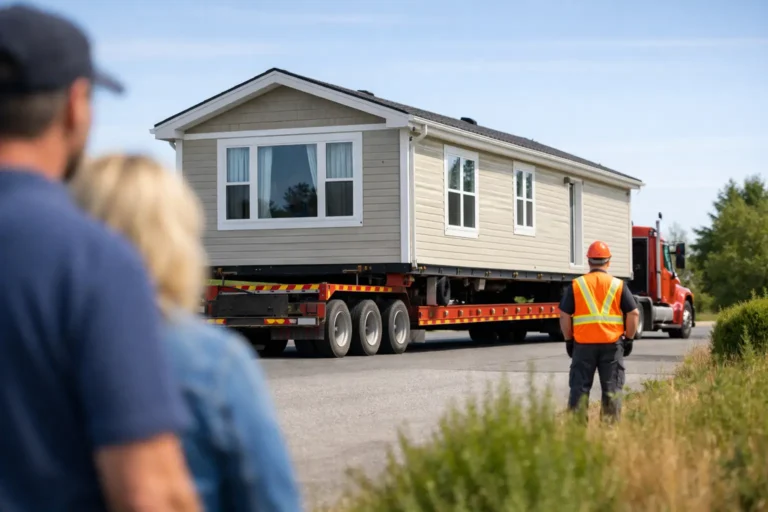
Moving a mobile home sounds like a simple solution until you price it out and learn what’s involved. Transport costs vary widely, but the real issue is the chain of requirements: permits, setup contractors, utility disconnect/reconnect, skirting, steps, tie-downs, and possibly road escorts.
Moving makes sense in a few situations:
If the home is in decent shape and you already have a destination (another park or private land) ready to accept it. Or if the current park is closing, forcing removal, and the home is worth relocating.
Moving is usually a poor fit when the home is older or distressed. A common trap is spending thousands to move a home that ends up failing inspection at the new park, or costs so much to set up that you could have replaced it.
Before you commit, verify two things: the home’s condition (especially frame, roof, and floors) and whether the destination location will approve it. “We’ll figure it out later” gets expensive fast.
Option 4: Give it away (only works if someone can actually take it)
Some owners try to give away a mobile home for free just to stop the bleeding. It can work, but “free” doesn’t mean “easy.” The buyer still needs park approval, the ability to pay lot rent, and a way to handle title transfer. If it needs to be moved, the person taking it needs cash and contractors lined up.
If your home is in a park and can stay put, giving it away may be realistic – especially if it’s livable and the lot rent is reasonable. If it’s on land and needs to be hauled off, the pool of people who can actually execute is smaller than you’d think.
Option 5: Donate it (rarely as simple as the ads make it sound)
Donation is appealing, but many charities won’t accept older mobile homes, homes in poor condition, or homes with title issues. If they do accept it, they may still require you to cover moving costs, or they’ll only take it if it can be sold in place.
Donation can be a solid option when the home is in decent shape, the paperwork is clean, and you have the time to coordinate. If you’re trying to solve an urgent problem – eviction risk, accelerating lot rent, code enforcement – donation timelines often don’t match reality.
Option 6: Demolish or scrap it (the true “get it gone” solution)
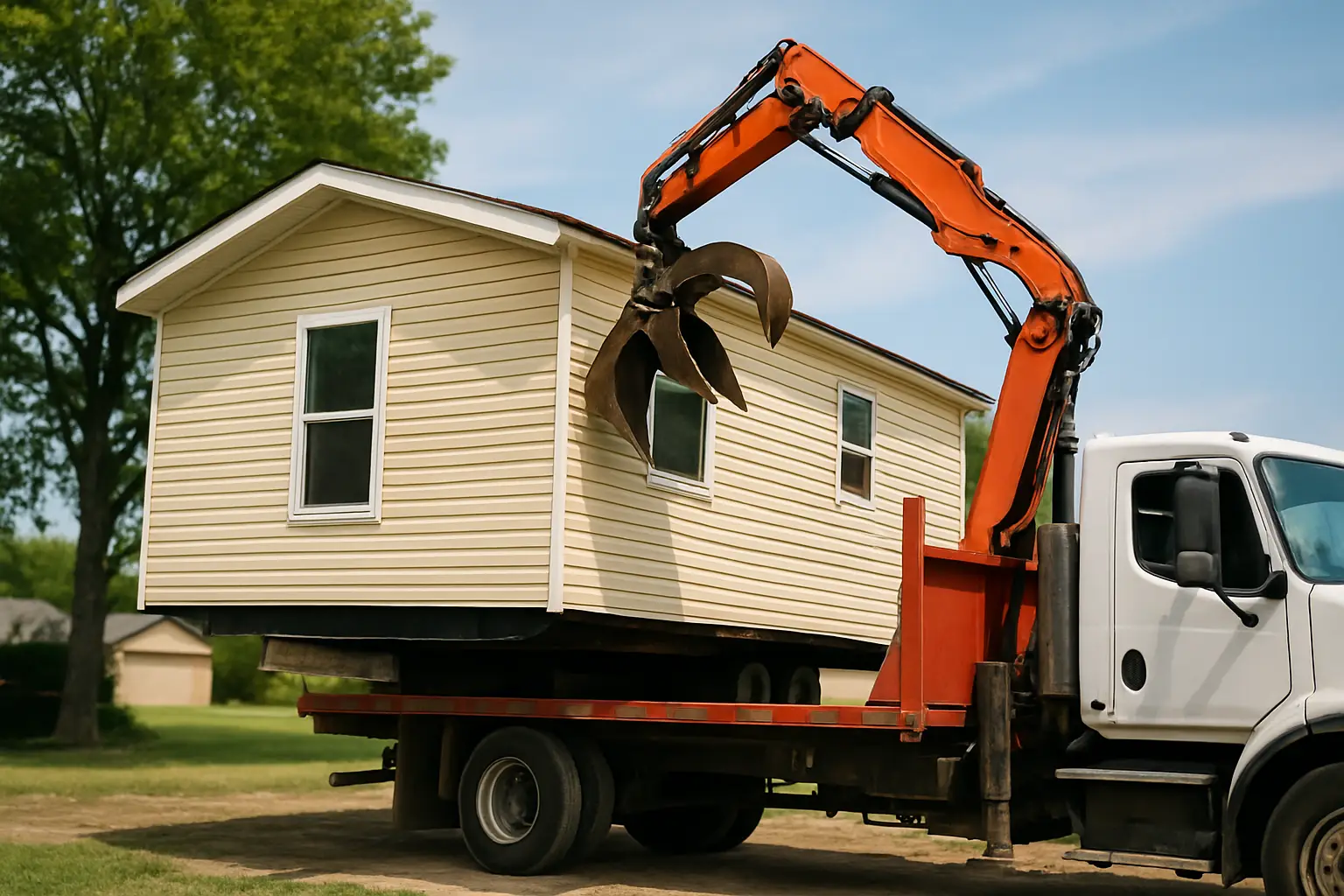
If the home is beyond repair – major mold, fire damage, collapsed floors, severe roof failure – demolition may be the most straightforward answer. This is the option that actually removes the structure, but it comes with real costs.
On private land, you’ll typically need a demolition contractor, debris hauling, and proper disposal. Some contractors will offset cost by scrapping metal, but don’t count on that covering everything.
In parks, demolition is trickier because park management may have approved vendors and specific requirements. Also, you’ll want everything in writing: what’s required, what deadlines exist, and whether you’re responsible for restoring the lot after removal.
Demolition is often the right call when repairs would exceed the home’s realistic sale value, or when you need a guaranteed end date.
The paperwork that stops most mobile home “quick fixes”
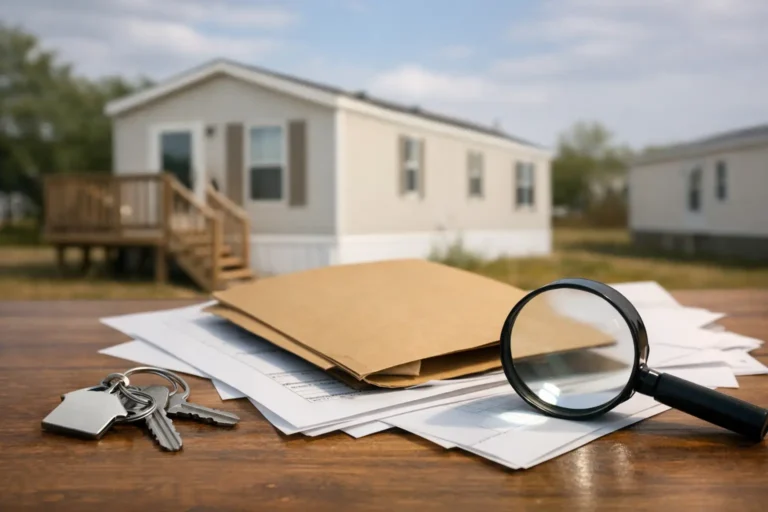
If there’s one thing that slows down getting rid of a mobile home, it’s documentation. Here are the issues that most commonly derail plans.
Title problems
Many mobile homes have a title similar to a vehicle. If the title is lost, damaged, or still shows a lien, you can’t cleanly transfer ownership until that’s resolved. Some older homes can have multiple sections (and multiple titles). If you only have one, you’re not done.
If the owner has passed away, you may need estate documentation before a transfer can happen. That’s especially common with out-of-state heirs trying to handle a North Carolina property remotely.
Back taxes, liens, or unpaid lot rent
These don’t always prevent a sale, but they change the math and the timeline. Lot rent balances can become a negotiation point with park management. Property tax issues can delay transfer. The sooner you identify these, the more options you have.
Park approval and rules
Even if you find a buyer tomorrow, many parks require an application and background check before they’ll allow someone new to live there. Some parks also have age restrictions on homes or condition standards. That’s why two identical homes can have totally different outcomes depending on the park.
How to choose the right path (without wasting weeks)
Start with your deadline. If you need it gone in days – not months – your realistic options narrow quickly.
Next, assess condition honestly. A home with solid floors, a decent roof, working plumbing, and functional HVAC can usually be sold or transferred more easily. A home with soft spots, active leaks, or major mold is more likely headed toward a discounted as-is sale or removal.
Then check location constraints. In a park, talk to management early. Ask what they require for a sale, whether the home can stay on the lot, and what approval looks like. On private land, confirm whether there are any local requirements for removal or demolition.
Finally, gather what you can: any titles you have, the home’s year/make/model if available, and a clear understanding of what you owe (lot rent, taxes, liens). You don’t have to solve everything alone, but clarity up front prevents surprises.
If you’re overwhelmed, that’s normal. Manufactured housing has more moving parts than most people expect, and the wrong move can cost you time and money.
The good news is that “getting rid of it” doesn’t have to mean chaos. Pick the route that matches your timeline, your home’s condition, and the rules of where it sits – then take the next step with momentum. You’ll feel the stress drop as soon as there’s a real plan and a real end date.