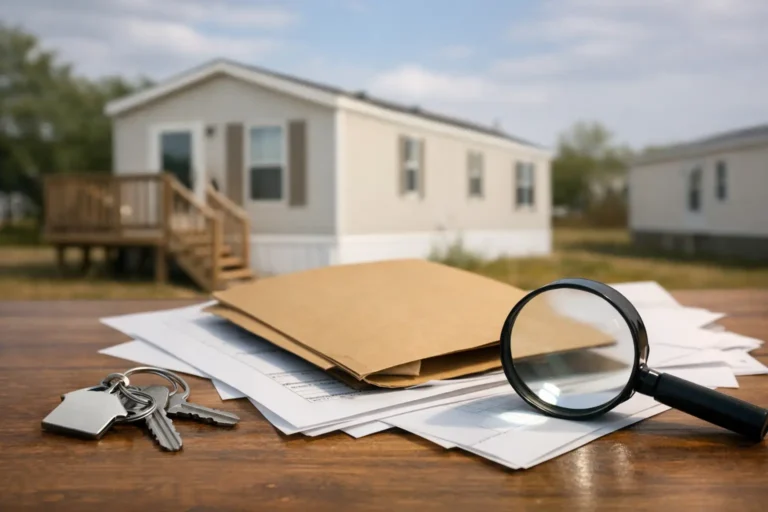


Lot rent can turn from a manageable monthly bill into the one problem that blocks everything else. If you are behind, trying to sell, or worried the park will take action before you can figure out your next step, this guide to mobile home lot rent payoff is built for that exact situation. The goal is simple – help you understand what you owe, what the park can do, and how to handle payoff without wasting time or making the problem more expensive.
What mobile home lot rent payoff really means
When people say “lot rent payoff,” they usually mean the full amount needed to bring the lot account current so the home can stay in the park, be sold, or be moved without another surprise bill showing up later. That amount is often more than just the missed monthly rent.
In many parks, the payoff can include late fees, legal fees, notice fees, utility charges, storage charges, and other balance items tied to the lot account. If the park has already started eviction or abandonment steps, the number can climb fast. That is why guessing is a mistake. You need the actual current amount from park management, in writing if possible.
This is also where sellers get tripped up. They think paying two or three missed months solves the problem, but the park may require the full account balance before it will approve a buyer, sign off on a transfer, or stop legal action.
Start with the payoff number, not assumptions
The first move is not to advertise the home, promise a buyer a quick sale, or borrow money based on a rough estimate. Start by asking the park for a current ledger or payoff statement. You want to know exactly what is due as of a specific date.
Ask these questions before you do anything else
Get clear on the monthly lot rent, the total past-due balance, and whether any legal or administrative fees have been added. Ask whether the balance changes daily or weekly, whether the park will accept partial payment, and what must be paid for a sale or title transfer to move forward.
Also ask a harder question – is the home still allowed to remain in the park if sold? In some communities, a buyer must be approved. In others, the age or condition of the home may create problems. A payoff only solves part of the issue if the park does not want the home to stay.
Why timing matters
Lot rent problems get more expensive with delay. A balance of a few hundred dollars can become a few thousand once notices, attorney involvement, and lost sale time get layered in. If you are trying to sell, every week matters because a serious buyer may walk if the park account is unclear.
Your main options for handling lot rent payoff
There is no one-size-fits-all answer here. The right move depends on how far behind you are, the value of the home, and whether the park will cooperate.
Option 1: Pay the balance and keep the home
If the home is in decent shape, the park wants it to stay, and you can realistically afford the payoff, bringing the account current may buy you time and protect your position. This can make sense if you plan to keep living there or sell later under less pressure.
The trade-off is obvious. Putting money into back lot rent only works if it actually stabilizes your situation. If your income is still tight or the home also needs repairs, you may solve this month and be in the same spot again soon.
Option 2: Sell the home and pay lot rent from the sale proceeds
This is often the cleanest path if you no longer want the home or cannot keep up with the lot. In many cases, the past-due lot rent is paid at closing from the money the buyer pays. That lets the park get paid and lets the seller move on without coming up with all the cash first.
This only works if the sale moves quickly enough and the home has enough value to cover what is owed. If the balance is high and the home needs major work, there may not be much left over after payoff.
Option 3: Negotiate with the park
Some park managers will work with owners if they believe payment is coming soon. That might mean a short payoff window, reduced fees, or a written agreement that lets a sale proceed. Not every park will do this, but asking is worth it.
The key is to be direct. Tell them whether you are trying to sell, move, or resolve the account. Vague promises usually do not help. A realistic plan does.
Option 4: Sell fast to avoid deeper loss
If the balance is growing and time is not on your side, speed matters more than squeezing out top dollar. That is especially true in situations involving eviction risk, inherited homes, divorce, vacancy, or homes in rough condition.
A direct buyer that understands mobile home park rules can often move faster than a traditional listing approach. In Central North Carolina, Triad Mobile Homes works with sellers in exactly these situations and can often make a fair cash offer quickly, with no pressure and no obligation.
A guide to mobile home lot rent payoff when you want to sell
If your end goal is a sale, lot rent payoff needs to be treated as part of the transaction, not an afterthought. Too many deals fall apart because the seller finds a buyer first and sorts out the park second.
Step one: confirm the park’s requirements
Before talking price with anyone, find out what the park needs for a sale. Does the buyer need approval? Does the home need repairs before transfer? Will the park require the lot account to be fully paid before paperwork is signed? These details affect whether a deal is even possible.
Step two: gather the paperwork
At minimum, you should know who is on title, whether taxes are current, and whether there are any other liens besides lot rent issues. If the title is missing or the ownership record is unclear, handle that immediately. Lot rent problems are stressful enough without title delays stacked on top.
Step three: price based on your real net, not the asking number
What matters is not just what someone offers for the home. What matters is what you will have left after back lot rent, taxes, title work, and any other required costs. A higher offer that drags on for weeks may be worse than a slightly lower offer that closes fast and stops the balance from growing.
Common mistakes owners make
The biggest mistake is ignoring notices because the amount feels overwhelming. That usually makes the situation harder, not easier. Park management may be willing to talk early, but less flexible later.
Another mistake is putting money into repairs before confirming the lot status. If the park will not approve a buyer or the home cannot stay, repair money may not help.
Owners also get burned by informal deals. A handshake with a buyer is not enough if the park has not approved the transfer and the lot balance is still open. Until the paperwork is done, the risk stays with you.
What to do if the home is worth less than the balance owed
This is where things get tough, and honesty matters. If the lot rent payoff plus other issues exceed the home’s value, your choices narrow. You may need to negotiate a reduced amount with the park, find a buyer who can handle a difficult transaction, or decide whether moving the home makes financial sense.
Sometimes moving the home sounds like the answer, but transport, setup, permits, and destination lot costs can be higher than owners expect. For older homes, moving may not be practical at all. That is why the cheapest-looking option on paper is not always the best real-world move.
A faster path starts with clear numbers
If you are dealing with back lot rent, the best next step is not more waiting. Get the exact payoff, confirm the park’s rules, and compare your real options based on time, cost, and risk. Some owners are best served by catching up and keeping the home. Others are better off selling quickly and cutting off the monthly damage.
There is no prize for dragging out a bad situation. The sooner you get clear on the numbers, the sooner you can make a move that gives you some breathing room.