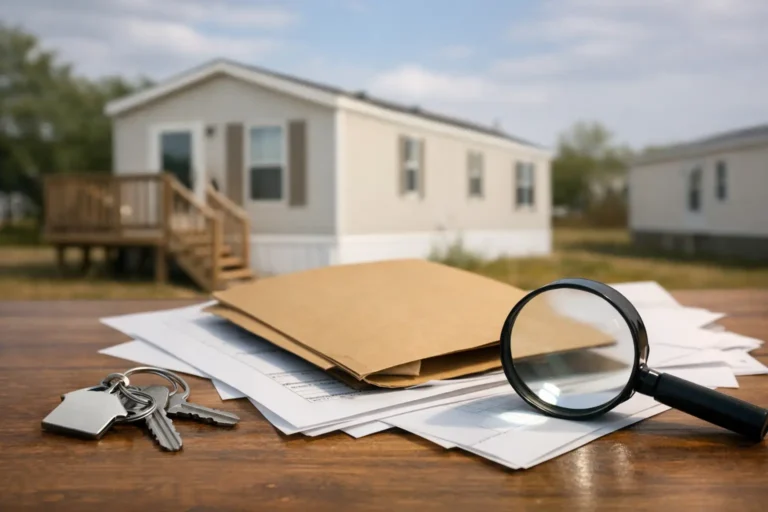


If you’re getting ready to sell, the bill of sale is one of those documents that seems simple until it holds up your closing. A solid guide to mobile home bill of sale paperwork can save you from delays, title problems, payment disputes, and last-minute surprises with the buyer, the park, or the DMV.
For many North Carolina sellers, the bigger issue is not just filling out a form. It is making sure the document matches the title, the home description is correct, and the sale terms are clear enough that nobody comes back later saying they understood something differently. That matters even more when the home is older, in a park, inherited, damaged, or being sold under time pressure.
What a mobile home bill of sale actually does
A mobile home bill of sale is a written record of the transaction between seller and buyer. It usually confirms who is selling, who is buying, what home is being sold, the agreed price, and the date of sale. Think of it as proof of the deal.
That said, a bill of sale is not always the same thing as the title transfer. In many mobile home sales, the title is the key ownership document. The bill of sale supports the transaction, but it does not replace title requirements when a title exists. Sellers get into trouble when they assume one document handles everything.
That is why accuracy matters. If the buyer’s name is wrong, the serial number does not match, or the sale terms are vague, the paperwork can create headaches instead of solving them.
Guide to mobile home bill of sale requirements
The exact form can vary, but the most useful version includes the same core information every time. Start with the legal names, current addresses, and contact information for both the seller and the buyer. Then identify the home clearly using the year, make, model, size, and VIN or serial number.
You should also spell out the purchase price and how payment will be made. If there is a deposit, include the amount and whether it is refundable. If the buyer is paying in full at closing, say that plainly. If there is seller financing, partial payments, or a delayed closing date, those terms need to be written out clearly.
Condition language matters too. Most private sellers want the home sold as-is. If that is the agreement, the bill of sale should say so. If you are including appliances, skirting, steps, HVAC units, or other personal property, list them. If something is excluded, list that too.
Finally, both parties should sign and date the document. In some cases, notarization is a smart move even if it is not strictly required for the bill of sale itself. When there is any chance of dispute, a notarized document gives the paperwork more weight.
The details sellers miss most often
The most common mistake is getting the home description wrong. Mobile homes can have multiple serial numbers, especially double-wides. If the title shows two sections, your paperwork needs to reflect that. A missing number can slow down the sale fast.
The second issue is confusion over land. If the mobile home sits on private land, ask whether the land is part of the sale or whether only the home is being sold. Those are two different transactions. A bill of sale for the home does not automatically transfer real estate.
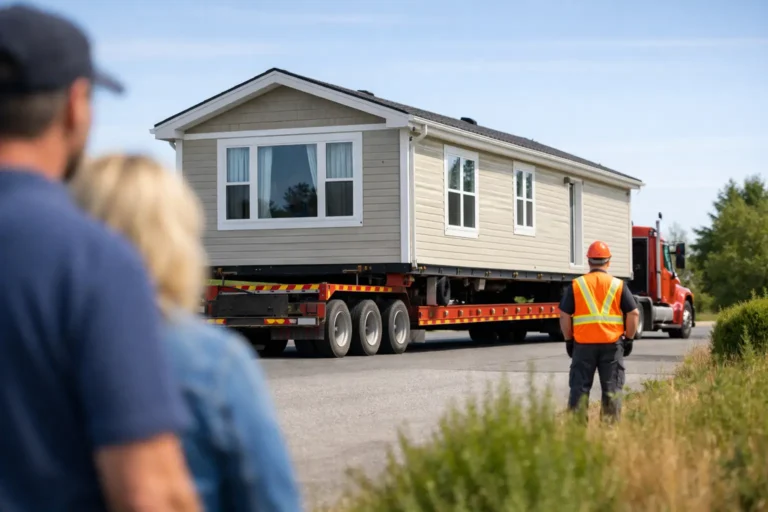
The third problem is leaving out occupancy or moving terms. If the home is in a park, can the buyer keep it there? Has the park approved the buyer? Who is responsible for lot rent up to the closing date? If the home has to be moved, who pays for transport, permits, setup, and utility disconnection? Those details are not small. They can make or break the sale.
Bill of sale vs. title for a mobile home
This is where many sellers get stuck. A bill of sale documents the agreement. The title proves ownership and is usually required to transfer ownership properly. If you have a title, you generally need to sign it over correctly in addition to using a bill of sale.
If you do not have the title, the sale may still be possible, but it becomes more complicated. You may need to apply for a duplicate title, correct ownership records, or resolve past issues before a buyer is willing to move forward. This is common with inherited homes, older homes, or properties that have changed hands informally.
If there is still a lien on the title, that has to be addressed too. A buyer paying cash will usually want clear ownership before handing over funds. If you still owe money, be upfront about it early. Hidden payoff issues create delays and kill deals.
If the home is in a mobile home park
Park sales come with another layer of paperwork and approval. Even if you have a clean bill of sale and title, the park may still need to approve the buyer before the home can remain on the lot. Some parks have age restrictions, background checks, application fees, and home condition standards.
This is why sellers should not promise possession or move-in dates before checking with park management. If the buyer cannot be approved, the home may need to be moved. That changes the cost, timeline, and sometimes the value of the sale.
A good bill of sale can acknowledge these conditions. It can state that the transaction is contingent on park approval or clarify what happens if the buyer is denied. Plain language up front avoids arguments later.
If the home is inherited, damaged, or part of a difficult situation
Not every sale is clean and easy. Some owners are dealing with probate, divorce, back lot rent, code issues, storm damage, or a home that has been vacant for years. In those situations, the bill of sale still matters, but it is only one piece of the larger process.
For inherited homes, confirm that the person signing has legal authority to sell. For damaged homes, be specific about known issues and sell as-is if that is your intent. For homes with unpaid taxes, lot rent, or title problems, put the facts on the table early. Buyers who know how to handle difficult mobile home transactions can often work through these issues, but surprises usually slow things down.
This is also where a direct buyer can make a real difference. Instead of trying to piece together forms, buyer approvals, showings, and title corrections on your own, some sellers choose a local specialist that handles the paperwork and hard parts from start to finish. In Central North Carolina, Triad Mobile Homes works with sellers in exactly these kinds of situations and can often make a fair cash offer without the usual back-and-forth.
How to use this guide to mobile home bill of sale paperwork before closing
Before you sign anything, match every detail on the bill of sale to the title and any park records. Check names, serial numbers, purchase price, and sale date. Make sure the payment terms are clear and the possession date is not open to interpretation.
If the home is being sold as-is, put that in writing. If personal property is included, identify it. If the buyer is responsible for moving the home, write that down. If the seller must deliver a clear title before funds are released, say so. Good paperwork is not about making things look formal. It is about making the deal hard to misunderstand.
It also helps to keep copies of everything. That includes the signed bill of sale, title documents, any lien release, park communications, payment receipts, and any move agreements. If there is a question later, organized records make the answer easier.
When simple is better
Some sellers overcomplicate this document because they are trying to prepare for every possible issue. Others go too far the other way and use a one-line receipt that leaves major questions unanswered. The best bill of sale is clear, complete, and tied to the actual facts of the sale.
If your transaction is straightforward, the paperwork can be straightforward too. If the home has title issues, park restrictions, multiple heirs, or condition problems, the paperwork needs more care. That is the trade-off. The more complicated the situation, the less you want to rely on a generic form copied from somewhere else.
Selling a mobile home is rarely just about finding a buyer. It is about getting the details right so you can actually close, get paid, and move on without loose ends following you around. If your situation feels messy, start with the paperwork, ask the hard questions early, and do not be afraid to choose the path that gives you the most certainty.