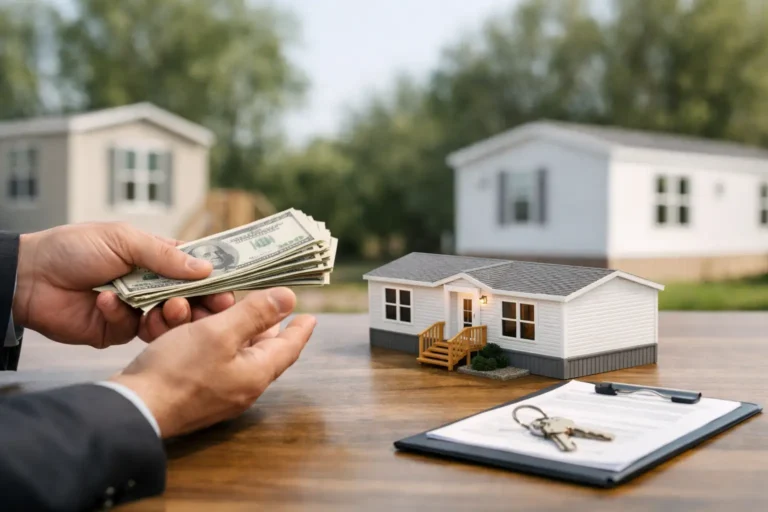


If you’re selling a manufactured home in North Carolina, a weak bill of sale can slow everything down right when you need the deal done. That happens a lot with private sales. The buyer says they’re ready, money is on the table, and then someone realizes the paperwork is vague, the title details do not match, or the park wants more documentation before approving the transfer.
This guide to manufactured home bill of sale NC sellers can actually use is meant to keep that from happening. If you are selling in Greensboro, Winston-Salem, High Point, or anywhere nearby, the goal is simple: get the document right, avoid preventable problems, and keep your closing moving.
What a manufactured home bill of sale does in NC
A bill of sale is the written record of the sale. It shows who sold the home, who bought it, what home was sold, how much was paid, and when the transfer happened. In a manufactured home deal, that matters because there are often multiple moving parts at once – title transfer, park approval, lot rent issues, taxes, liens, and sometimes moving permits.
The bill of sale is not always the only document you need. In many North Carolina transactions, the title is the main ownership document. But the bill of sale still helps prove the terms of the deal and can protect both sides if questions come up later. Think of it as backup and clarification, not a shortcut around title requirements.
That distinction matters. Some sellers assume a simple handwritten receipt is enough. Sometimes it works for a very basic transaction, but if the home has title issues, is sitting in a mobile home park, or involves an inherited property, that kind of shortcut can create more trouble than it saves.
Guide to manufactured home bill of sale NC sellers should follow
A solid bill of sale starts with the exact identity of the parties. Use the seller’s full legal name and the buyer’s full legal name. If there is more than one owner on the home, all owners may need to sign depending on how title is held. If one owner is missing from the paperwork, that can stop the sale cold.
Next, identify the home clearly. Include the manufacturer, model, model year, size, serial number, and VIN if applicable. For double-wide or multi-section homes, there may be more than one serial number. Do not guess here. Pull the information directly from the title, registration, plate, or prior documents if you have them.
Then list the sales price and payment terms. If the buyer is paying cash in full, say so. If there is a deposit, include the deposit amount, the date it was paid, and whether it is refundable. If the buyer is making payments, that is a different level of risk and usually calls for more documentation than a basic bill of sale.
The document should also state whether the home is being sold as-is. In many manufactured home sales, especially older homes or homes that need repairs, that language matters. It helps set expectations and reduces arguments later about condition, appliances, leaks, flooring, skirting, or systems that stop working after the sale.
Finally, include the sale date, signatures, and printed names. Many sellers also choose to have signatures notarized even when not strictly required for the bill of sale itself. That extra step can help if the transaction is later questioned.
What to include beyond the basics
The strongest bills of sale cover the details that usually cause disputes. If the home is in a park, say whether lot rent is current and whether park approval is required before the buyer can stay in the home. A seller may think they are just selling a home, but in a park sale, the buyer often needs separate approval from park management. If that approval fails, the transaction can fall apart.
If personal property is included, name it. That might be the refrigerator, stove, washer, dryer, storage building, steps, or porch. If it is not listed, do not assume both sides see it the same way. Sellers get frustrated when a buyer expects furniture or extras that were never part of the deal.
You should also state who is responsible for moving costs if the home is being relocated. This is a major issue with manufactured housing. A buyer may agree to purchase the home and then discover setup, transport, permit, and site-prep costs are much higher than expected. If the home must be moved, the bill of sale should make clear whether the buyer or seller is handling that process.
Common NC problems that a bill of sale will not fix by itself
A bill of sale helps document the sale, but it does not erase title defects. If your title is missing, signed wrong, still in a deceased relative’s name, or tied to an old lien, the bill of sale alone will not make the transfer clean.
That is where many sellers lose time. They find a buyer first and only then realize the paperwork chain is broken. Inherited homes are a common example. If mom or dad passed away and the title was never properly transferred, the family may need estate documents before a legal sale can happen.
Tax issues, liens, and park restrictions can also block progress. If you are behind on lot rent, the park may have its own rules before it allows the home to stay. If there is a lender involved, that payoff has to be handled correctly. The bill of sale can mention these facts, but it does not replace the actual cure.
If the home is in a mobile home park
Park sales need extra caution. In North Carolina, the buyer often needs to be approved by the park if the home is staying on the lot. That means your sale is not just about price. It also depends on whether the buyer meets the park’s income, background, and occupancy rules.
Your bill of sale should not promise something you cannot control. If park approval is still pending, say that clearly. If the home must be moved off the lot if the buyer is denied, that should be spelled out too. Otherwise, both sides may assume different outcomes.
This is one reason many owners decide not to handle the sale alone. The paperwork is one piece, but the real challenge is coordinating the title, the buyer, the park, and the timeline.
Should you use a template?
A template can be a good starting point, but it depends on the situation. For a straightforward cash sale with a clean title and no special issues, a simple template may be enough if all information is correct and complete.
But if the home is older, inherited, damaged, financed, in a park, or being moved, a generic form may leave out the very details that matter most. The risk is not just using the wrong words. It is assuming the transaction is simpler than it is.
That is why sellers under pressure often choose a buyer who already understands manufactured home paperwork in North Carolina. A local specialist like Triad Mobile Homes can help handle the hard parts – title questions, park coordination, and the practical steps needed to close without wasting weeks on a deal that never gets to the finish line.
A practical checklist before you sign
Before signing your bill of sale, verify that the seller names match the title, the buyer names are complete, the serial or VIN numbers are accurate, and the price and payment method are written clearly. Confirm whether the home is sold as-is, whether any appliances or extras are included, and who is responsible for taxes, lot rent, moving, or closing costs.
Then stop and ask the bigger question: is the paperwork problem really the bill of sale, or is it the title, the park, or the condition of the home? A clean document is helpful, but only if the rest of the transaction can actually close.
When speed matters most
If you are trying to sell fast because of relocation, divorce, inherited property, back lot rent, or a home in rough shape, the cleanest path is usually the one with the fewest open questions. That means getting the paperwork right early, not after you already shook hands on a deal.
A manufactured home bill of sale in NC should be clear, specific, and matched to the real situation. If anything feels uncertain, slow down long enough to fix it before signing. A little clarity upfront can save you a lot of delay when you are ready to move on.