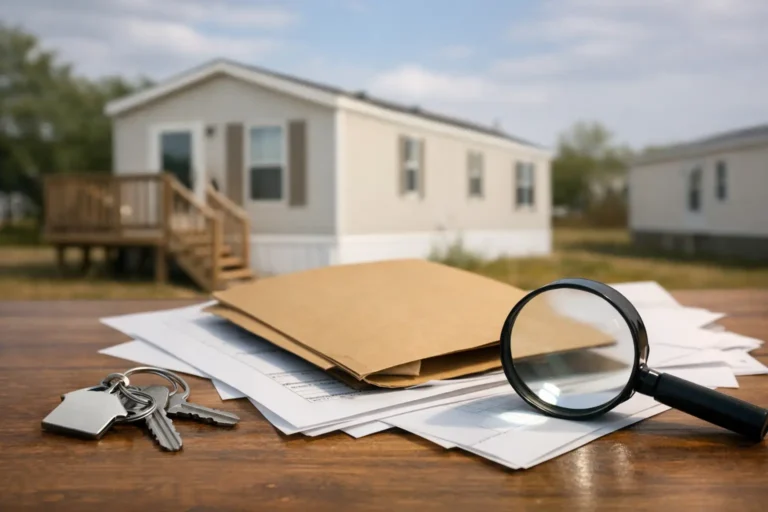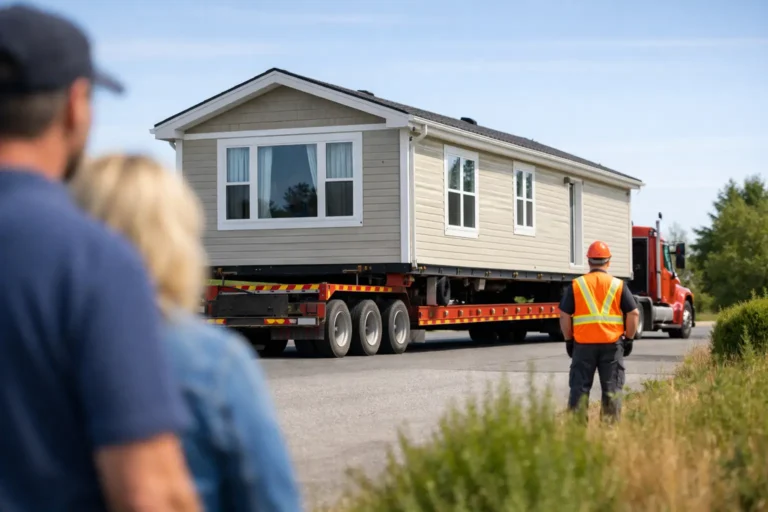

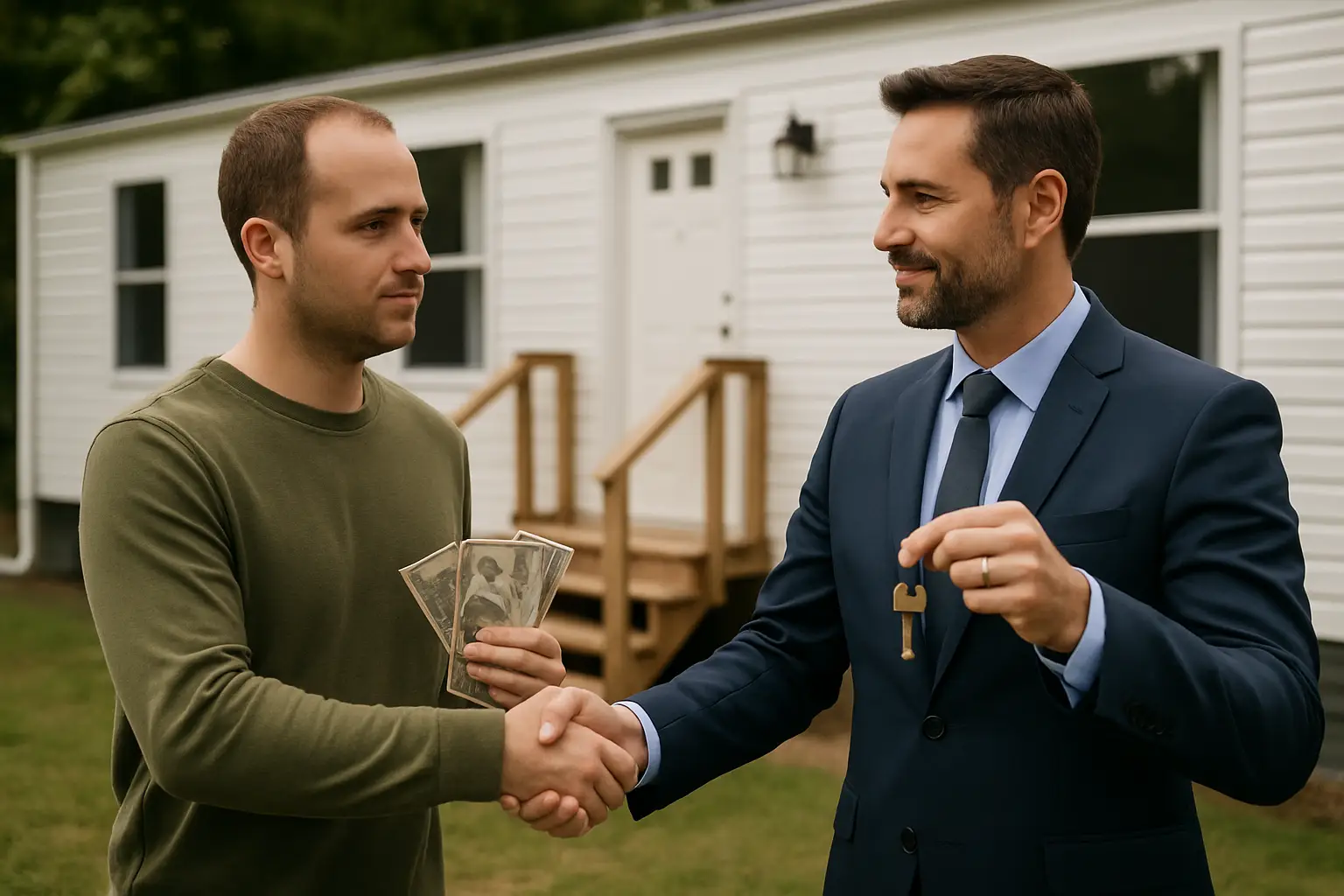
If your lot rent is due, the park manager wants paperwork, and the home needs work you do not want to do, “list it and wait” starts to feel like a bad plan. Mobile homes and manufactured homes can sell quickly – but only if you pick the right route for your situation.
This guide breaks down the real trade-offs in a cash buyer vs realtor mobile home sale, especially for owners in North Carolina where titles, park approvals, and condition issues can change the whole timeline.
Cash buyer vs realtor mobile home: what you are actually choosing
When people compare a cash buyer and a realtor, they usually think it is about price. Sometimes it is. But in manufactured housing, the bigger difference is often certainty.
A realtor-led sale is a marketing process. You list, you show the home, you negotiate, and you hope the buyer can perform. A cash buyer sale is a transaction process. You share the details, you get an offer, and you decide whether to close.
Neither is “right” for everyone. The best fit depends on your timeline, the home’s condition, where it sits (park vs private land), and how much risk you are willing to carry between now and closing.
Timeline: days and weeks matter when you are under pressure
If you are relocating, behind on payments, dealing with an estate, or facing park deadlines, speed is not a luxury. It is the difference between moving on and getting stuck.
With a realtor, timeline is tied to the market and to buyer financing. Even if you get an offer fast, financed buyers can take longer because lender steps, appraisals, inspections, and underwriting add time. If a buyer’s loan falls apart late, you are back to showings again.
A true cash buyer can close fast because there is no lender timetable. That speed is especially helpful when the home is vacant, the title needs attention, or you are trying to stop the bleeding on lot rent and utilities.
Costs: commissions are only the start
A realtor usually means commission, and on top of that you may pay for prep, cleaning, staging, photos, and repairs to make the home “listable.” Even if you do not write a check for every item, you will often pay in time and stress.
A cash sale typically skips commissions, listing fees, and most of the pre-sale spend. The trade-off is that cash offers are usually built around what the buyer needs to invest after closing. If the home needs a roof, soft floors, subfloor work, HVAC, or skirting repairs, that cost shows up somewhere – either you fix it before listing, or the buyer accounts for it in the offer.
The honest comparison is not “highest offer” in a vacuum. It is what you net after commissions, repairs, months of holding costs, and the risk of a deal that does not close.
Condition: manufactured homes do not get the same grace as houses
Traditional buyers often want a home that feels “move-in ready.” Mobile homes with water damage, older wiring, soft spots, or outdated plumbing can scare off buyers quickly. In parks, even cosmetic issues can matter because management wants the home to meet basic standards for the next resident.
A realtor can be a good fit if your home is in solid condition, has a clear title, and you are able to keep it clean for showings. If your home needs work, you may run into a hard wall: fewer qualified buyers, more negotiation, and more requests for repairs.
Cash buyers who specialize in mobile homes are often built for the opposite scenario. They expect problems and price accordingly. That is not magic – it is just a different model.
Park rules and approvals: the hidden deal-killer
If your home is in a mobile home park, the park can influence your sale more than most owners realize.
Some parks require buyer applications and background checks. Some require the home to pass a basic inspection before a new tenant is approved. Some have age limits on homes or specific skirt and step requirements. And almost all parks care about whether the title is clean and the taxes are current.
In a realtor sale, the buyer may not discover a park requirement until late in the process, which can delay or kill the deal. With a cash buyer who has experience in parks, those questions get asked up front because the buyer has to solve for them before making an offer.
If you are on leased land, ask this early: “What does the park require for the sale and for the new resident?” The answer will tell you how smooth or painful your timeline might be.
Paperwork: titles, liens, and the reality of NC manufactured home transfers
Mobile home sales are paperwork-heavy when something is off, and it is common for something to be off.
The title may be missing. A deceased owner may still be on it. There may be a lien that was paid off years ago but never properly released. The VIN data plate might be hard to confirm. For older homes, the paper trail can be messy.
A realtor can help coordinate, but many agents do not handle manufactured home title issues every week. That does not make them bad – it just means the learning curve can show up on your timeline.
A specialized cash buyer is usually set up to deal with title transfer steps, lien releases, and the back-and-forth that happens when the home is in a park or when heirs live out of state. If you already know there is a title problem, that experience matters.
Buyer quality: “interested” is not the same as “able to close”
A listed mobile home can get plenty of messages. That is not the same as having a buyer who can actually perform.
With a realtor, you are often sorting through financed buyers, cash buyers, and buyers who are not qualified at all. If the home is older or in a park with strict rules, the pool shrinks. If the buyer needs financing, you add another layer of uncertainty.
With a direct cash buyer, the “buyer quality” question changes. The buyer is the buyer. The key question becomes whether they are transparent about their process, whether they put terms in writing, and whether they can close when they say they can.
When a realtor makes sense for a mobile home
If your goal is to push for top dollar and you have time, a realtor route can be worth it.
This is usually true when the home is in good condition, you have a clean title, the home is in a desirable area or well-run community, and you can handle the effort of keeping it ready for showings. It also helps when the park is cooperative and the approval process is straightforward.
In that situation, marketing exposure can create competition. Competition can improve price. If you are not in a hurry, you can afford to negotiate.
When a cash buyer makes sense (and why it is not just about speed)
A cash buyer is often the better fit when your situation has friction.
If the home needs repairs, if you cannot clean it out, if tenants left damage, if the home is vacant, if you are behind on lot rent, or if you are handling the sale from out of state, the “simple listing plan” turns into weeks of tasks and unknowns.
Cash buyers are also a strong fit when the problem is paperwork. Title issues, estate situations, and lien confusion are not rare in manufactured housing. The more complicated the file, the more you want a buyer who has seen it before and can stay on it.
The offer question: fair does not mean the same thing in every situation
Owners sometimes worry that a cash offer means getting lowballed. That can happen with any buyer if you do not ask the right questions.
A fair cash offer is one where the math matches reality: the buyer is accounting for repairs, transport (if needed), park requirements, taxes, title work, and resale risk. You should expect a cash buyer to explain the basics of how they got there. If they cannot explain it at all, that is a red flag.
On the flip side, a retail-style price from a realtor is not “more fair” if it requires you to spend thousands on repairs, pay commissions, and carry the home for months. Fair is what you can actually achieve and keep.
Questions to ask before you choose either route
You do not need a script, but you do need clarity.
Ask a realtor how many mobile homes they have sold in your county and how they handle park approvals and title issues. Ask what they expect you to fix, how showings will work, and what your likely timeline looks like.
Ask a cash buyer whether they buy in parks and on land, whether they handle homes in rough condition, and what their closing timeline is. Ask how they handle title transfer and whether you will have any out-of-pocket costs.
If you are in Central North Carolina and want a direct, no-pressure cash option for a mobile home or manufactured home, Triad Mobile Homes LLC typically makes offers within 24 hours or less and focuses on handling the hard parts like paperwork and park-related logistics.
The simplest way to decide
Here is the practical test that cuts through the noise.
If you have time, a clean home, and you want to see what the open market will pay, a realtor may be the right move.
If you want certainty, do not want repairs and showings, or you already know the situation is complicated, a cash buyer route is usually the calmer path.
Either way, you are not stuck with one conversation. Get the facts, compare your net and your timeline, then pick the option that lets you sleep at night and move forward.