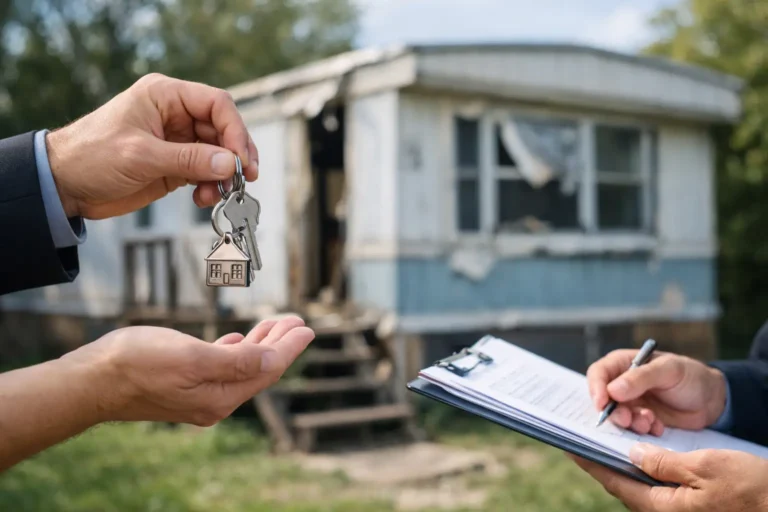

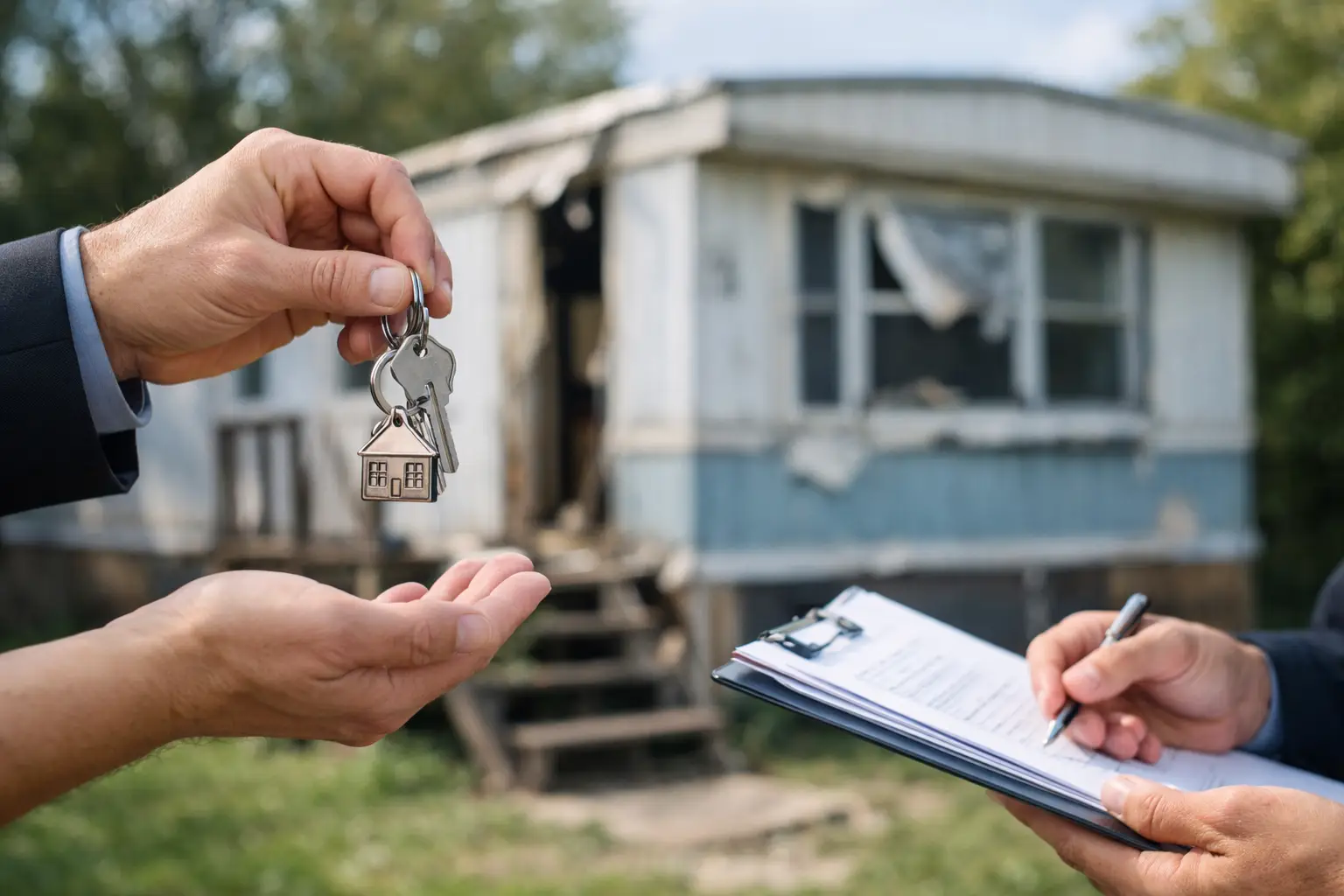
If your mobile home has soft floors, roof leaks, missing skirting, old plumbing, or years of deferred maintenance, the question usually is not just can I sell a mobile home without repairs. The real question is whether you can sell it without pouring more money, time, and stress into a property you already want gone. In many cases, yes, you can.
That said, the path depends on the home’s condition, where it sits, whether you have clear title, and how fast you need to close. Selling as-is is common in the mobile home market, but it works very differently than listing a site-built house in perfect shape.
Can I Sell a Mobile Home Without Repairs in North Carolina?
Yes, you can sell a mobile home without repairs in North Carolina. Sellers do it every day. The bigger issue is not whether it is allowed. The issue is what kind of buyer will actually follow through.
A retail buyer looking for a move-in-ready home will often expect updates, financing approval, inspections, and a clean presentation. If the home needs major work, that buyer pool gets smaller fast. Many lenders also avoid older manufactured homes or homes with condition problems, which removes another layer of demand.
That is why as-is sales usually attract cash buyers, investors, dealers, or specialized mobile home buyers. These are the buyers who are set up to handle repairs, title problems, transport questions, park communication, and other details that can stop a normal sale.
What “without repairs” really means
Selling without repairs does not mean hiding issues. It means selling the home in its current condition and pricing it accordingly. The buyer understands they are taking on the cleanup, fixes, and risk after closing.
For example, you may still need to provide the title, identify whether the home is in a park or on private land, and disclose known problems honestly. If the roof has leaked or the AC no longer works, that matters. The right buyer may still want it, but they will factor those costs into the offer.
This is where many sellers get frustrated. They hear “you can sell as-is” and assume condition does not matter. It does. You just do not have to spend your own money fixing everything first.
When selling as-is makes the most sense
If the home needs more work than you can afford, an as-is sale is often the practical choice. This is especially true when the repairs will not increase the selling price enough to justify the investment.
Say you need flooring, subfloor work, paint, skirting, plumbing repair, and appliance replacement. Even a modest rehab can turn into several thousand dollars fast. If you are already behind on lot rent, making payments on a vacant home, or trying to settle an inherited property from out of state, waiting for repairs may cost more than it saves.
An as-is sale also makes sense when speed matters. Divorce, relocation, tenant damage, eviction risk, storm issues, permit problems, and repossession pressure are situations where certainty usually matters more than squeezing out every possible dollar.
What affects your offer if you sell without repairs
The condition of the home is only one piece of the puzzle. Buyers also look at age, size, make, title status, location, and whether the home must stay put or be moved.
A mobile home in a well-managed park with lot approval available can be easier to sell than a similar home on private land with title complications. On the other hand, a home on its own land may appeal more to certain buyers because it avoids park rules and monthly lot rent. It depends.
If the home needs to be moved, the sale can get more complicated. Moving a manufactured home is expensive, and not every home qualifies for transport. Age, condition, axle and hitch availability, and local setup requirements all matter. A buyer will price that risk in.
Title issues can also affect the offer or delay the sale. If the title is missing, still in someone else’s name, or tied up in an estate, those problems need attention. They do not always kill the deal, but they do change the timeline.
The trade-off: convenience versus top dollar
Here is the plain truth. If you sell a mobile home without repairs, you will usually get less than you would for a fully updated, market-ready home. That is the trade-off.
But many sellers compare the wrong numbers. They compare an as-is cash offer to a perfect-world retail price and ignore the repair costs, holding costs, lot rent, utilities, cleanup, showings, and time. Once you account for all of that, the gap is often smaller than it first appears.
For some owners, taking a lower but certain offer is the better financial decision. For others, especially if the home only needs light cosmetic work and they have time to market it, making a few repairs may pay off. The best option depends on your timeline, budget, and tolerance for risk.
Can I sell a mobile home without repairs if it is in a park?
Yes, but park rules matter.
Some park managers require buyer approval before a sale can go through if the home will stay in the community. Others may have standards about condition, age, or appearance. In some parks, a buyer may purchase the home but not be allowed to keep it on the lot unless management approves them. That can reduce your buyer pool.
This is one reason mobile home sales can feel harder than people expect. You are not just selling a structure. You may also be dealing with a landlord, lot rent balance, community rules, and occupancy approval.
If you are behind on lot rent, do not assume you are out of options. It does mean you need to move quickly and speak with a buyer who understands park sales and can coordinate with management instead of leaving you to figure it out alone.
How to sell a mobile home without repairs and avoid common problems
The fastest way to lose time is to market the home vaguely and hope someone figures it out. Be direct about the condition. Say it is being sold as-is. Mention whether the title is in hand, whether the home is in a park, and whether the lot rent is current.
Take clear photos, even if the home needs work. Serious buyers want to see what they are dealing with. Hiding damage only creates wasted appointments and failed negotiations.
It also helps to gather the key details up front: year, make, model, size, serial number if available, location, monthly lot rent if applicable, and known repair issues. If there are title questions, estate paperwork, or back fees, say so early. Problem buyers disappear when they hear hard facts. Real buyers lean in and start solving.
Why many sellers skip repairs and sell directly
Traditional listings sound good until the friction starts. Cleaning, patching, paying for updates, waiting on buyers, dealing with financing denials, and making room for inspections can drag on for weeks or months. That process is hard enough for a standard house. It is often worse for an older mobile home.
A direct sale is simpler because the offer reflects the current condition. No agent commissions. No repeated showings. No repair punch list after inspection. No guessing whether the buyer’s loan will survive underwriting.
For sellers in Central North Carolina, that is where a specialized buyer can make a real difference. Companies like Triad Mobile Homes work specifically with mobile and manufactured home owners who need a fair cash offer without repairs, cleanup, or drawn-out delays. The value is not just speed. It is having someone handle the difficult parts that stall normal sales.
What to expect from the process
A straightforward as-is sale usually starts with basic information about the home and your situation. After that, the buyer reviews the details, may schedule a quick look at the property, and then makes an offer.
If the numbers work for both sides, the next step is paperwork and closing. In a good process, the terms are clear, the timeline is short, and there is no pressure if you decide not to move forward.
That matters because sellers in difficult situations are often tired of being pushed around. You should know what the offer is, what costs are being covered, and what happens next. Simple beats fancy here.
Is selling without repairs the right move?
If your goal is maximum price and your home only needs minor work, repairing first might be worth considering. If your goal is to sell fast, stop the monthly drain, avoid more headaches, and move on, selling as-is is often the better call.
The right answer is not theoretical. It comes down to your numbers, your deadline, and how much uncertainty you are willing to carry. A home that needs work can still be sold. The key is finding the type of buyer who is prepared for reality, not scared off by it.
If your mobile home has become one more problem on your list, you do not need to make it perfect before you sell it. You just need a clear path forward.