

If you have a mobile home you need to sell fast, you are probably not wondering about curb appeal. You are wondering how quickly you can stop paying lot rent, how to deal with a title you cannot find, or what happens if the home will not qualify for a traditional buyer.
That is exactly where an all-cash sale can make sense. The trade-off is simple: you may not chase top-of-market pricing, but you get speed, certainty, and fewer moving parts. Below is the all cash mobile home offer process, written the way sellers actually experience it in North Carolina – especially in and around the Triad.
What “all-cash offer” really means for a mobile home
An all-cash offer is not just “someone has money.” In the mobile home world, cash usually means the buyer is not relying on bank underwriting, appraisal conditions, or a long loan approval timeline. That matters because manufactured housing deals can stall for reasons that have nothing to do with the home itself: title issues, community rules, utility questions, or whether the home is classified as personal property or real estate.
Cash also changes the inspection dynamic. A serious cash buyer may still walk the home, but the offer is typically built around the current condition, not around a punch list of repairs you have to complete before closing.
The all cash mobile home offer process (start to finish)
Every buyer runs their business a little differently, but the core steps are consistent. Here is how the process usually works when you sell to a direct cash buyer.
Step 1: Share the basics (so the buyer can price it correctly)
To give a fair offer quickly, a buyer needs enough detail to estimate resale value, moving or setup costs, and the paperwork path.
Expect to answer questions like where the home is located (park name or address), the size (singlewide or doublewide), year, and whether you own the land or rent the lot. Condition matters too, but you do not need perfect words. “Roof leak in the back bedroom” is more helpful than “needs work.”
If you have photos, great. If you do not, you can still start. A reputable buyer will not make you feel like you have to stage the place or clean it out just to get a number.
Step 2: Park or land details – the part most sellers underestimate
Mobile homes on private land and mobile homes in parks can be two completely different transactions.
If the home is in a park, the buyer will usually ask about lot rent, community approval rules, and whether the park allows homes to be moved out. Some communities require an application for a new resident, background checks, or age restrictions. Others will not approve older homes at all. These rules can affect who can buy the home and what it is worth.
If the home is on land you own, the questions shift to access, utilities, and whether the home is being sold with the land or separately. In North Carolina, classification matters. Some manufactured homes are titled like a vehicle (personal property). Others have been converted to real property, often tied to a deed. That difference impacts closing steps.
Step 3: Quick review and walkthrough (often the same day)
Most cash buyers will do one of two things: give a preliminary range based on your info and photos, or schedule a quick walkthrough to confirm condition.
A walkthrough is usually short and practical. They are looking for big-ticket items that change the math: soft floors, roof damage, missing HVAC, plumbing leaks, electrical problems, fire damage, or heavy mold. They are also checking whether the home is occupied, how much personal property is inside, and whether there are safety issues.
This is also where honest conversations happen. If you are behind on lot rent, facing eviction, dealing with a tenant who trashed the place, or trying to sell from out of state, say so early. Those factors do not automatically kill a deal – but surprises do.
Step 4: The offer – and what a “fair” cash offer is based on
A real cash offer is not pulled out of thin air. It is typically built from:
- Local resale comps for similar homes (not Zillow numbers for stick-built houses)
- Repair and cleanout costs based on current condition
- Park constraints (approval rules, age restrictions, lot rent level)
- Moving and setup costs if the home must be relocated
- Time and risk tied to title work and paperwork
Here is the “it depends” part: a home that looks decent but cannot stay in its current park might be worth less than a rough home in a park that allows transfers. Likewise, a doublewide on land can be very valuable – but only if the paperwork path is clear.
A straightforward offer should be presented with clear terms: price, what the buyer pays for (back taxes, lot rent, moving, closing costs), and the expected timeline.
If you are in Central NC and want a direct, no-obligation path, Triad Mobile Homes LLC offers a fast, local process and typically provides an offer within 24 hours or less through https://triadmobilehomes.com.
Step 5: Title and paperwork check (this is where most delays happen)
Mobile home sales are paperwork-heavy compared to what most sellers expect. A clean process starts with confirming what you actually have.
If the home is titled, the buyer will want to verify the title is in your name and that there are no liens. If there is a lender, you may need a payoff. If the title is lost, you may need a replacement through the NC DMV. If an owner has passed away, you may need estate documents or affidavits depending on the situation.
If the home is on land and has been converted to real property, there may not be a traditional title involved – the home is handled through deed records and closing documents.
This is why cash buyers who do this every day can be valuable. It is not just “buying the home.” It is knowing which route applies and moving it forward without you getting bounced around.
Step 6: Scheduling the close – fast when the path is clear
Once the paperwork is lined up and the park (if applicable) is coordinated, closing can happen quickly.
For a park home, the close often hinges on the park’s requirements: transfer paperwork, lot rent status, and whether the buyer needs to be approved as a resident or whether the home is being moved out.
For a home on land, the close may look more like a standard real estate closing, depending on how it is titled and whether the land is part of the sale.
A good buyer will give you a clear date target and tell you what could slow it down. That is not being negative – it is being honest about what can actually happen with manufactured housing.
Step 7: Getting paid and handing off possession
At closing, you should know exactly how and when you get paid. Many cash transactions pay at signing via certified funds or wire, depending on the arrangement.
Possession is also something to be clear on. If you need a few extra days to move items out, say that before you sign. If the home is full of belongings you cannot remove, some buyers can handle a full cleanout, but it affects the offer.
Common seller questions that affect the process
Even when sellers are motivated, a few questions come up over and over because they can change the timeline or price.
“Do I have to repair anything?”
In a true cash buyer scenario, repairs are usually optional. The buyer is pricing the home as-is. That said, there is a practical difference between “needs updating” and “unsafe to enter.” If the home is structurally compromised, the buyer may need to budget for demolition or major rehab, which will lower the offer.
“What if I’m behind on lot rent or the park is threatening eviction?”
Do not wait until the last minute. Parks can move quickly once paperwork is posted. If eviction is in motion, the buyer may need to coordinate directly with park management to keep the deal alive. Sometimes paying off a portion of back rent is part of the negotiation. Sometimes the park will not allow a transfer at all once the account is too far behind. Timing matters.
“What if I can’t find the title?”
Lost titles are common. It is not always a deal-breaker, but it adds steps. The timeline depends on how quickly the replacement can be processed and whether any liens show up.
“Can you buy it if it’s inherited and I’m out of state?”
Yes, many cash buyers can work with remote sellers, but inherited homes require the right authority to sign. If the estate is not settled or the legal owner is unclear, that is the first problem to solve. The sooner you identify who can legally sell, the sooner you can close.
“Will you move the home?”
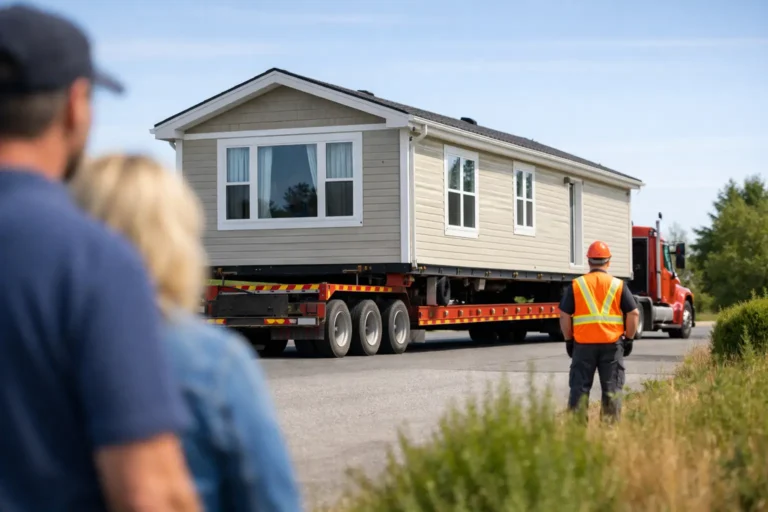
Sometimes. Moving a manufactured home is a project: permits, installers, transport, and a destination that will accept the home. The age and condition of the home can make moving unrealistic. If staying in the park is allowed, that is often the easiest path. If the home must be removed, moving costs can heavily affect the offer.
How to spot a clean, no-pressure cash offer
Not every “cash buyer” runs a professional operation. You want straightforward communication and terms you can actually understand.
A clean process usually feels like this: the buyer asks practical questions, explains what they still need to verify, gives you a real timeline, and does not push you into signing something before you have the details.
If someone will not put the offer terms in writing, changes the price at the last second without a clear reason, or cannot explain how title and park transfer will work, that is a sign to slow down.
The reality: speed and certainty are the point
The reason sellers choose an all-cash route is rarely because they have extra time. It is because they do not. They want a real plan that accounts for the stuff that makes mobile homes tricky – park rules, title headaches, moving logistics, and the simple fact that many retail buyers cannot handle an as-is home.
If you are weighing your options, focus on the outcome you need: a clean break, a specific timeline, and a buyer who will handle the hard parts without turning the sale into a second job. You can always ask for an offer and still decide what feels right after you see the numbers.